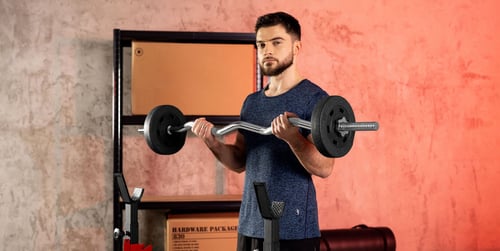
Most people use "power" and "strength" interchangeably - but in training terms, they mean very different things. Understanding the difference between strength and power can genuinely change how you train and what results you get. Grab a set of dumbbells and you've already got what you need to try both. Read on to find out which type of training suits your goals best - and how to get started today!
What Is Strength Training?
Strength training is about developing your ability to produce maximum force. In practical terms, that means lifting heavy weights through a controlled range of motion - think squats, deadlifts, presses, and rows. The focus is on how much load you can move, not how fast you move it.
Sessions are typically built around lower rep ranges - usually 1 to 6 reps per set - with longer rest periods to allow full recovery between efforts. Progress is measured by how much weight you can lift over time. It's a straightforward concept, but the results compound significantly with consistent training.
Who Is Strength Training For?
Strength training suits a wider range of people than most realise. It's not just for competitive lifters or bodybuilders - it's one of the most practical forms of exercise for anyone who wants to feel stronger, move better, and build a body that holds up over time.
It tends to work particularly well for:
- Beginners looking for a structured, measurable way to start training
- People returning to exercise after a break who need to rebuild a foundation
- Anyone whose sport or activity requires moving heavy loads - hiking, climbing, team sports
- Those looking to improve posture and reduce everyday aches and pains
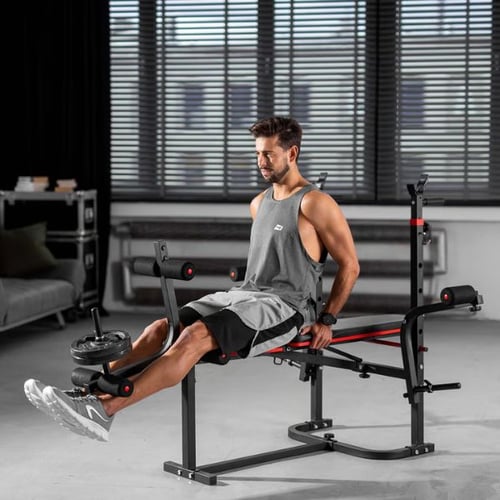
When it comes to power vs strength, this is the foundation you build first - and everything else follows from there.
What Is Power Training?
Power training focuses on how quickly you can produce force. It's the combination of strength and speed - and that's what makes it distinct. A powerful movement isn't just strong, it's fast. Think explosive jumps, medicine ball throws, kettlebell swings, or Olympic lifting variations.
Where strength training rewards patience and control, power training rewards explosiveness. Rep ranges tend to be lower, loads are moderate rather than maximal, and the quality of each rep matters more than the quantity. The goal is to move with intent and acceleration on every single rep.
How Power Training Feels Different in Practice
Most people notice the difference immediately when they try power training for the first time. There's a mental shift involved - instead of grinding through a heavy set, you're focusing entirely on moving as fast and deliberately as possible. That shift in intent changes the stimulus, and that's exactly the point.
Power vs Strength Training: Key Differences
The difference between strength and power comes down to one word: speed. Strength is the ability to produce force. Power is the ability to produce that force quickly. Both are valuable - but they train the body in different ways and produce different adaptations. Most people who train consistently end up benefiting from both, even if they don't realise it.
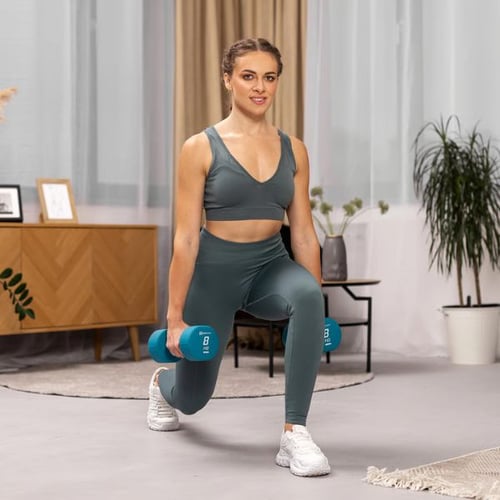
Here's how they compare side by side:
- Load - strength training uses heavier weights; power training uses moderate loads moved explosively
- Speed - strength is slow and controlled; power is fast and intentional
- Rep range - strength: 1-6 reps; power: 3-6 reps with full effort on each
- Rest periods - both benefit from longer rest, but power work needs full recovery between sets
- Exercises - strength favours compound lifts; power favours jumps, throws, and Olympic variations
Benefits of Strength Training
Strength training has a long list of well-documented benefits that go well beyond just lifting heavier weights. It's one of the most versatile forms of exercise you can do, with payoffs that carry over into everyday life.
Why it's worth building into your routine:
- Muscle mass - increases over time and improves body composition
- Connective tissue - strengthens tendons and ligaments significantly
- Bone density - improves, which matters more as you get older
- Strong base - builds a foundation for almost any other sport or physical activity
- Progress tracking - easier to measure compared to many other training styles
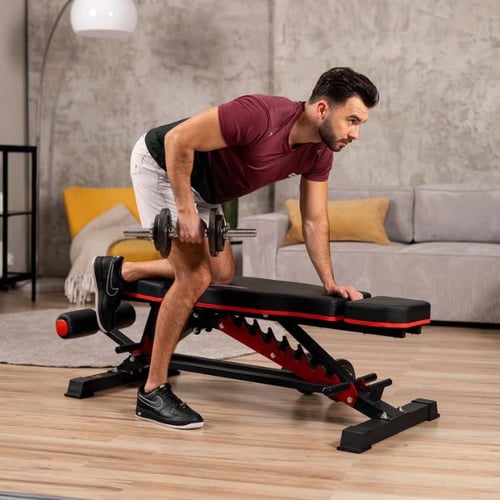
A good set of weight plates is enough to get started with strength training at home - you don't need a full commercial gym setup to see real results. At Hop-Sport, we always recommend starting simple and building from there - picking up a weight set covers both strength and power training needs at home, and the difference becomes obvious fast once you're consistent.
Benefits of Power Training
Power training tends to get overlooked by recreational gym-goers, but it offers benefits that strength training alone can't provide. Training for explosiveness changes how your nervous system recruits muscle fibres - and that has a real impact on athletic performance and functional movement.
What power training brings to the table:
- Fast-twitch fibres - developed in ways that slow, heavy training doesn't fully stimulate
- Athletic performance - speed, agility, and reaction time all benefit
- Calorie burn - high amount burned in a short session
- Functional carry-over - helps with everyday movements like catching yourself from a fall
A kettlebell is one of the most practical tools for power training at home - swings, cleans, and snatches all develop explosive hip drive and full-body coordination in a compact, manageable format.
Which Should You Focus On?
The honest answer is: it depends on your goal - but for most people, a combination of both makes the most sense. If you're new to training, start with strength - building a base of muscle and movement quality first gives power training something to work with. Once you're comfortable with the basics, adding one or two power-focused sessions per week is a natural and effective progression. Strength vs power training doesn't have to be a choice; it can be a sequence. If you're ready to get started, browse our full range and pick the right setup for your training.
Power vs Strength Training FAQs
Can You Combine Power and Strength Training?
Yes - in fact, combining power and strength training in the same programme is one of the most effective approaches for well-rounded physical development, as the two methods complement each other directly.
Is Power Training Safe for Beginners?
Power training can be safe for beginners when introduced gradually and with proper technique - starting with bodyweight movements like jump squats before progressing to loaded explosive exercises is the sensible route.
Is One Better Than the Other for Fat Loss?
Neither power nor strength training is definitively better for fat loss - both increase muscle mass and metabolic rate, though power training tends to burn more calories per session due to its explosive, high-effort nature.
Explore these topics:
Author: Hop-Sport Team