Home Workout
Free Weights vs Machines: Pros, Cons & Which Is Best for Your Training Goals
-24% £80.00
£60.99
-23% £40.00
£30.99
-5% £40.00
£37.99
£25.00
Build serious strength with our comprehensive collection of barbells engineered for exceptional performance at home. You can target every major muscle group with compound movements like squats, deadlifts, bench press, and rows, making barbells one of the most versatile pieces of equipment for building strength, muscle, and power. Shop our complete range today and discover why serious lifters choose quality barbells for their training success.
What is a barbell? A barbell is a long steel bar designed to hold weight plates on both ends, making it the cornerstone of any strength training and weightlifting programme. This versatile piece of training barbell equipment allows you to perform compound exercises that engage multiple muscle groups simultaneously, delivering maximum results in minimum time.
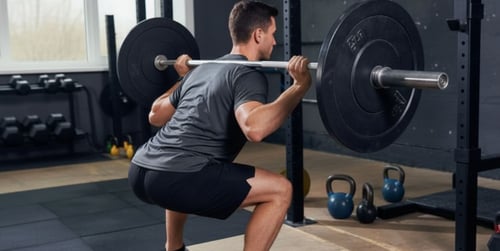
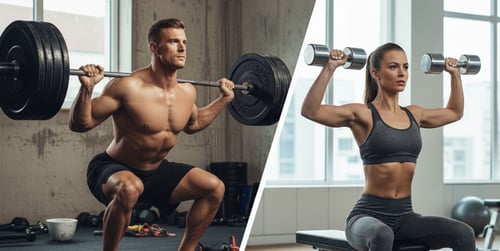
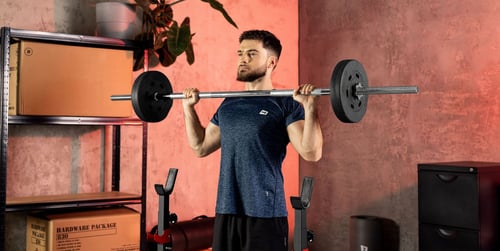
With a barbell bar you can perform fundamental movements including squats, deadlifts, bench press, overhead press, and rows. These exercises build functional strength, increase muscle mass, and improve overall athletic performance far more efficiently than isolation exercises alone. The ability to progressively increase your weight bar loading ensures continuous improvement as your fitness advances.
Professional athletes, powerlifters, and home gym enthusiasts alike rely on barbells because they offer unmatched versatility. A single lifting bar can replace an entire rack of machines, making a barbell set an outstanding investment for anyone serious about strength training.
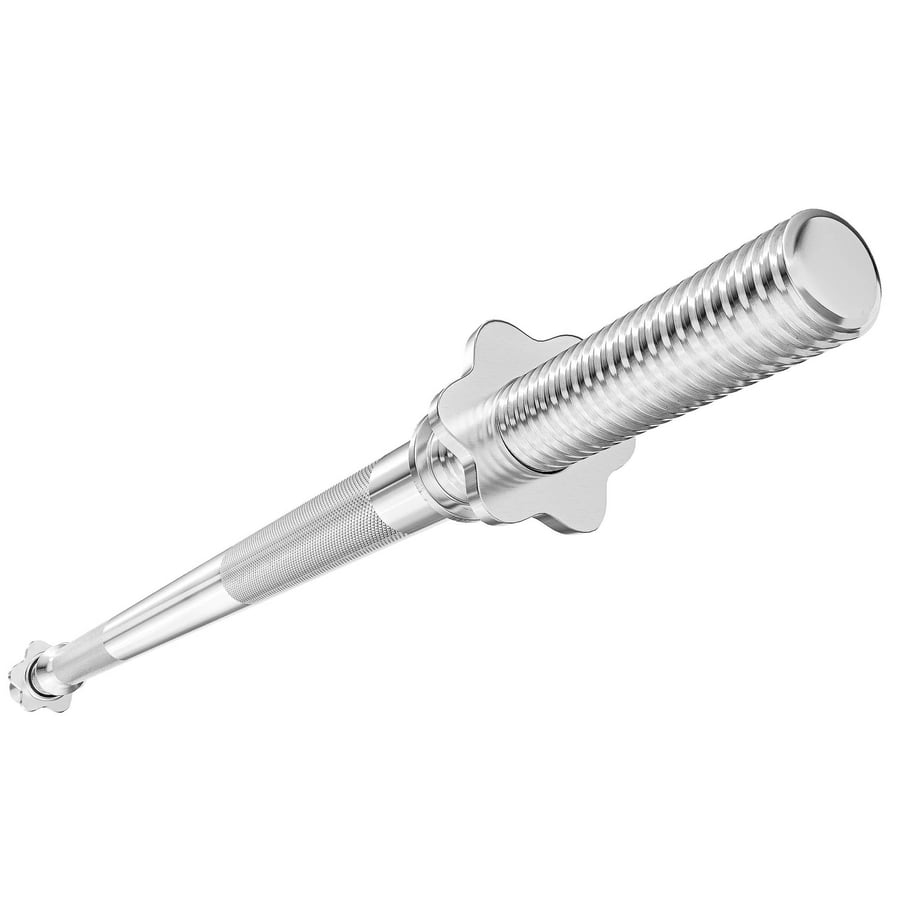
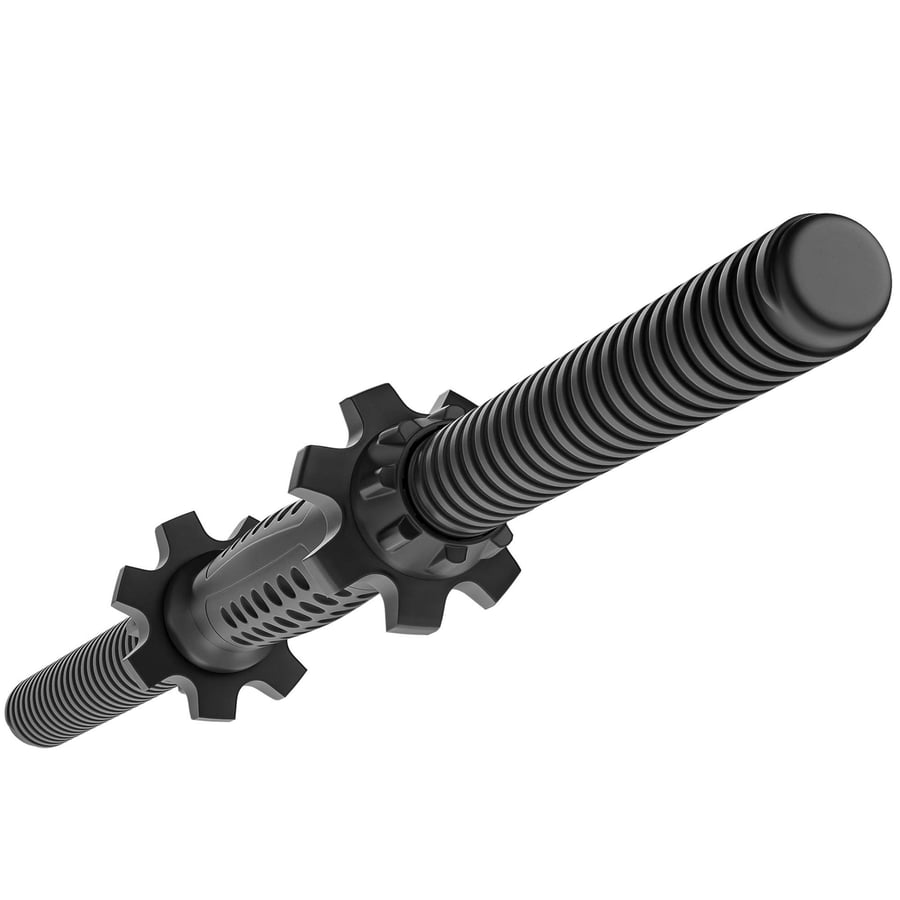
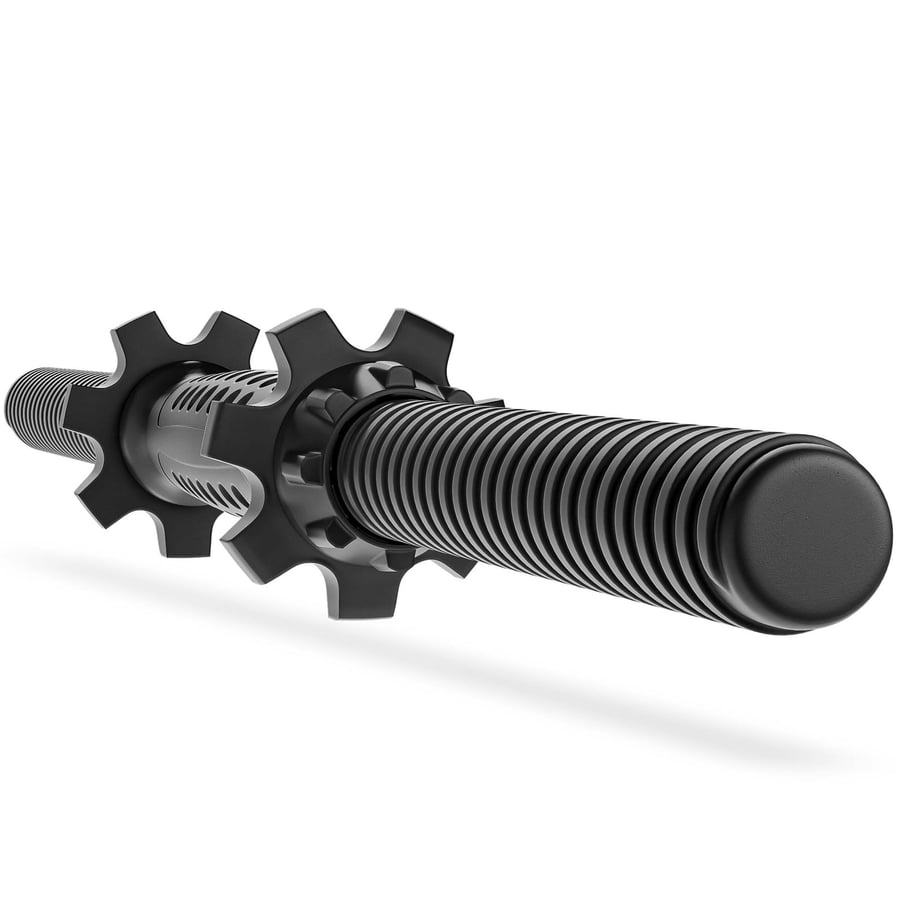
Our barbell collection includes several specialized options to suit every training style and space requirement. Standard barbells feature a 25 mm diameter sleeve compatible with most weight plates, making them ideal for home barbell setups and general strength training. If you train in a compact space, our small barbell and short bar options deliver full lifting functionality without the footprint of a full-length Olympic bar.
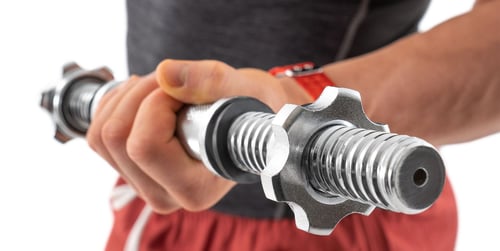
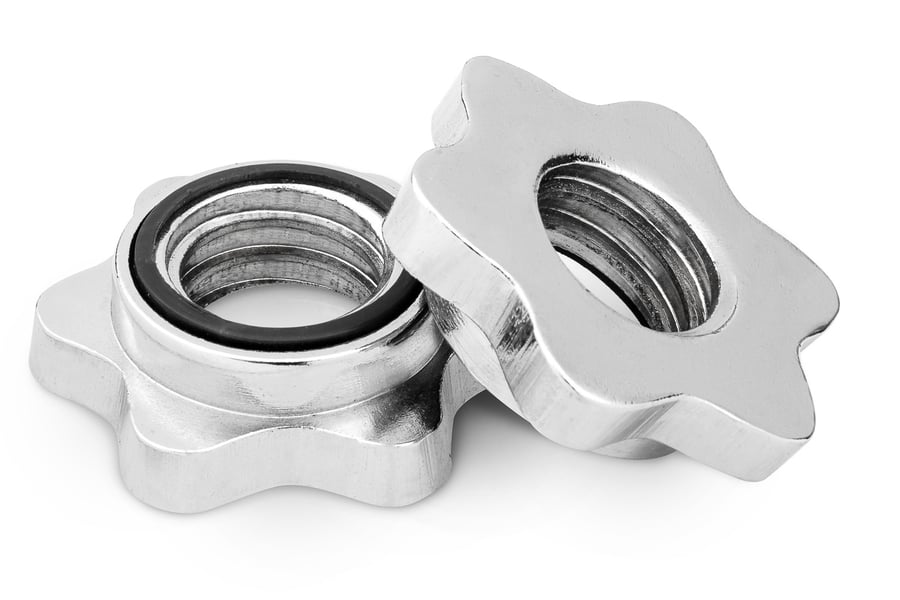
Each barbell set comes with a secure collar system to keep weight plates firmly in position throughout every set. We also stock specialty training barbells for specific movements, alongside a wide selection of weight plates, weight sets, weight benches, and other essential accessories, giving you everything you need to build a complete home gym from a single trusted source.
The different types of barbells are designed for particular exercises, loading systems and training goals. Adjustable barbells use removable weight plates, allowing the resistance to be increased or reduced. Fixed barbells have a permanent total weight and are more commonly found in commercial gyms; they should not be confused with plate-loaded bars sold separately.
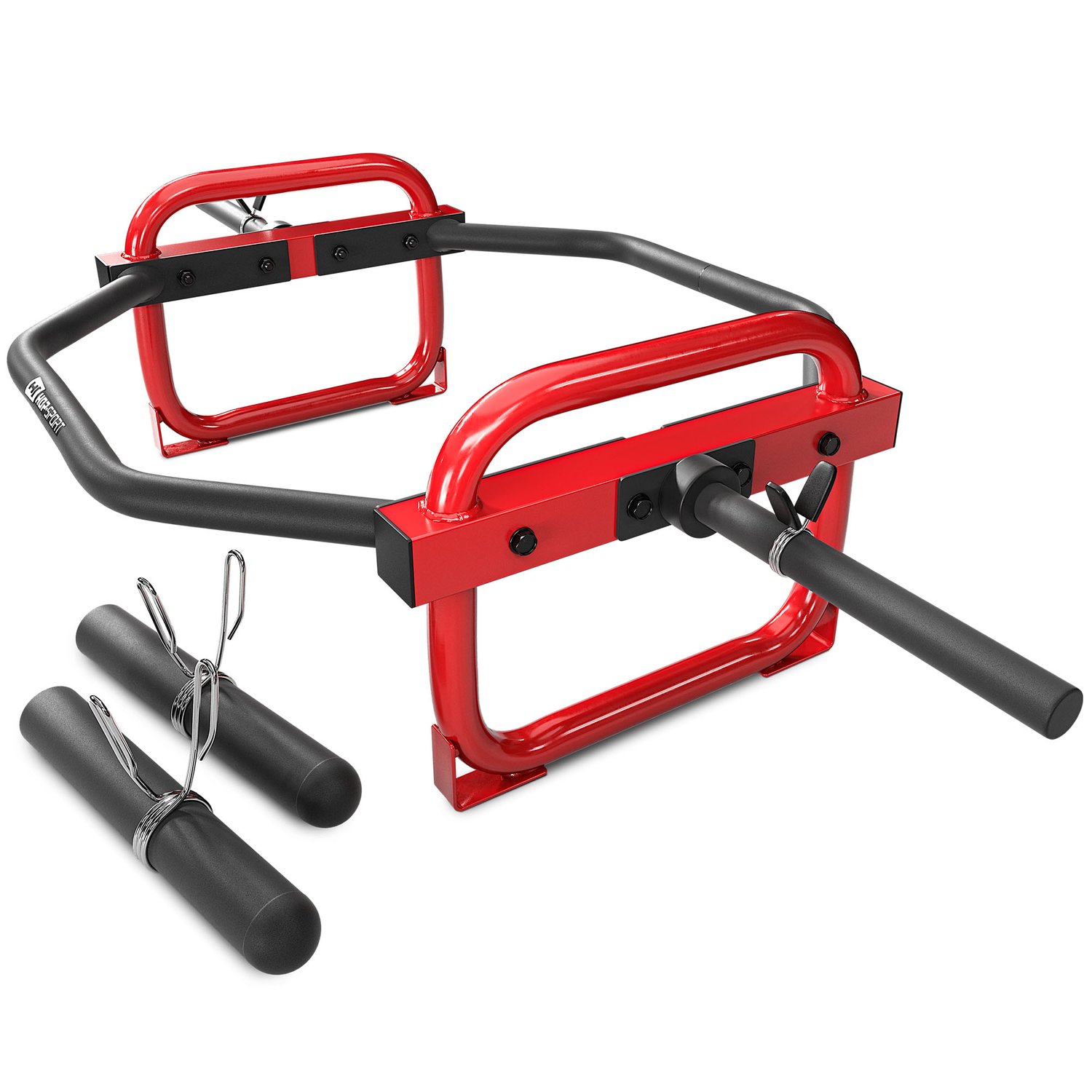
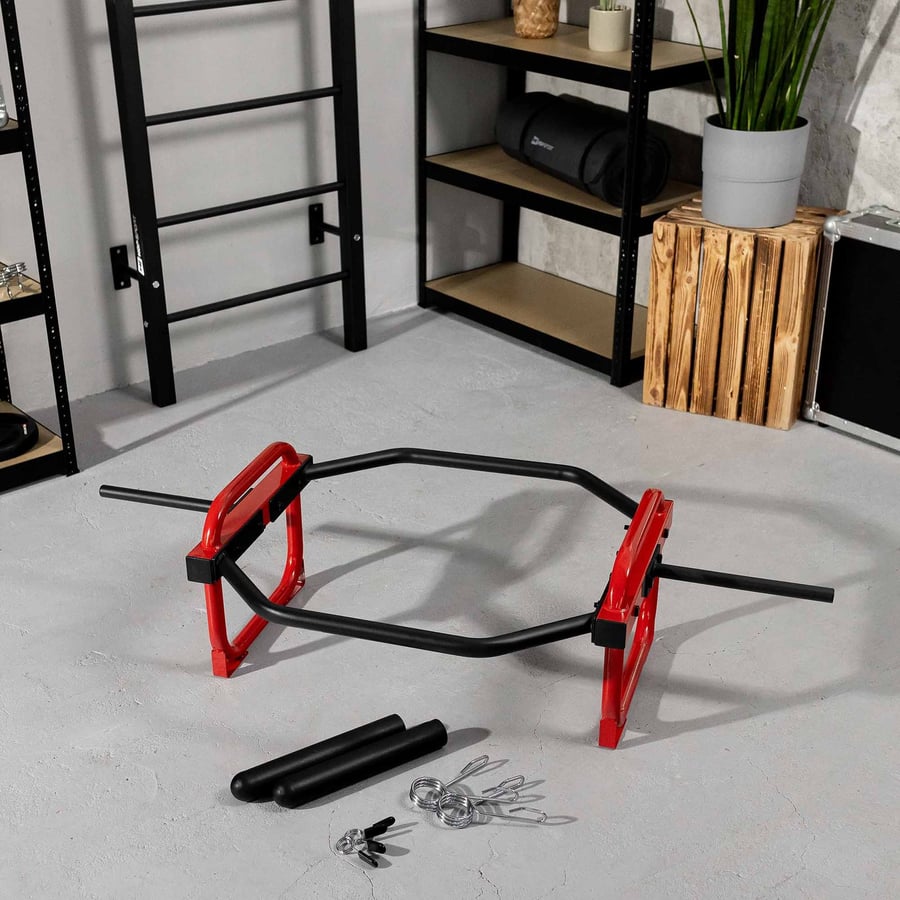
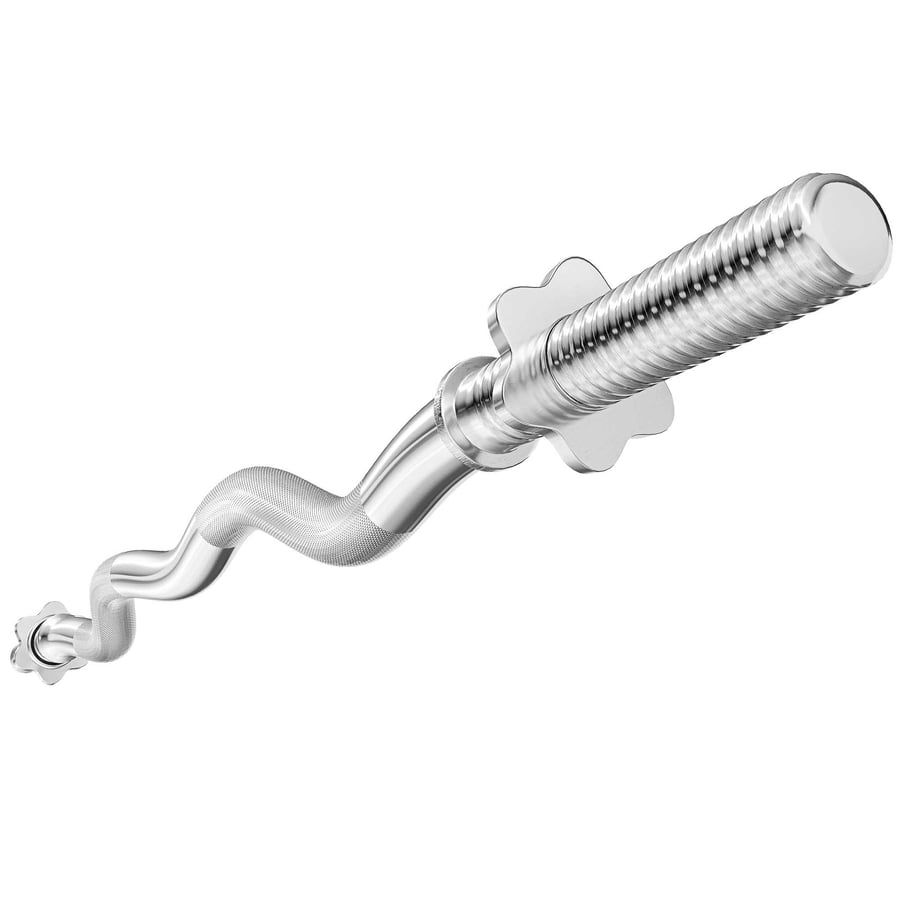
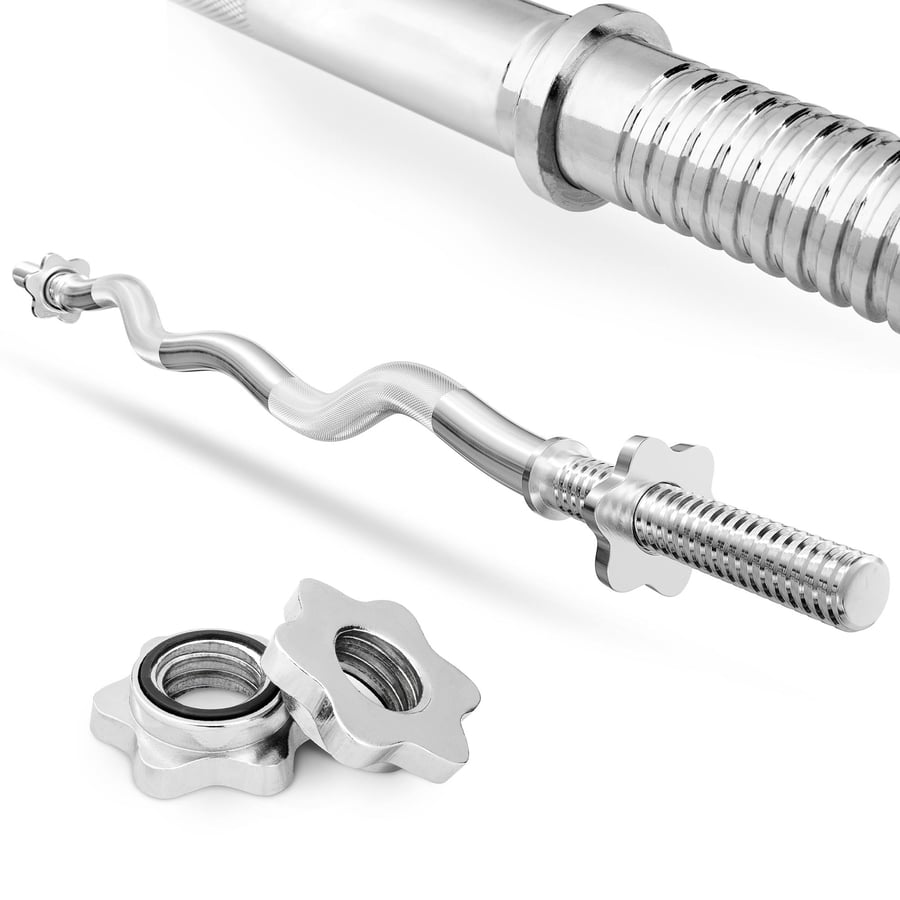
Curved barbells, usually called EZ curl bars, place the hands at an angle that many users find more comfortable during curls and triceps extensions. Speciality barbells also include deadlift bars and other designs created for specific lifts. An Olympic barbell uses 50 mm sleeves, although its length, weight and construction can vary depending on whether it is a straight competition bar, an EZ curl bar or another specialist model.
For those seeking premium construction, our stainless-steel barbell range offers superior corrosion resistance and an exceptional grip feel that outlasts standard chrome or oxide-coated alternatives.
Standard gym barbells typically weigh between 10 kg and 20 kg, depending on their construction and intended use. Olympic barbells generally weigh 20 kg (44 pounds) for men's bars and 15 kg (33 pounds) for women's bars. These weights follow international competition standards and provide the consistency that serious lifters require for progressive training.
The weight of your bar bell affects your starting resistance and total loading capacity. Heavier bars often indicate more robust construction and higher weight limits, but lighter options work perfectly for technique development and moderate strength training.
When you buy barbell equipment, consider both the bar weight and maximum loading capacity to ensure it matches your current strength level and future progression goals.
Barbell lengths vary significantly based on their intended use and the space they're designed for. Standard home gym barbells typically measure between 120 cm and 180 cm in total length, with shorter options perfect for compact workout spaces.
Olympic barbells follow strict competition standards, measuring exactly 220 cm (7.2 feet) for men's bars and 201 cm (6.6 feet) for women's bars. These dimensions ensure consistent performance across different venues and training environments. Compact barbells, often called curl bars or short bars, range from 120 cm to 150 cm and work excellently for flats, smaller home gyms, or specific exercises like bicep curls and tricep extensions.
The loadable sleeve length determines how many weight plates you can add. Longer bars accommodate more plates, allowing for heavier lifts and greater progression potential as your strength increases.
Quality barbells feature solid steel construction that provides the strength and durability needed for heavy lifting. Most gym barbells use high-carbon steel or alloy steel cores that resist bending under substantial loads, ensuring your bar maintains its straight profile throughout years of use.
The steel core receives various protective coatings to prevent corrosion and reduce noise. Black oxide coatings offer excellent grip and corrosion resistance, while chrome finishes provide superior durability and easy maintenance. Some barbells feature rubber or urethane coatings that protect floors and reduce noise during use.
Knurled grips are machined directly into the steel, creating a textured surface that prevents slipping during lifts. The depth and pattern of knurling affect comfort and grip security, with moderate knurling providing the best balance for most users.
Premium weightlifting bars may include bronze bushings or needle bearings in the sleeves, allowing smooth plate rotation during dynamic lifts like cleans and snatches.
The best barbells are those that match your exercises, available space and existing weight plates. Before buying, compare the sleeve diameter, bar length, grip diameter, knurling, maximum load and collar type. For exercises performed with a bench or squat rack, also check that the bar dimensions are compatible with the rest of your gym equipment.
When combining barbells and weights, plate compatibility is essential. Standard plates and Olympic plates have different hole diameters and cannot always be used with the same bar. Weight plates may be manufactured from composite materials or cast iron and can include rubber coatings that help reduce noise and protect the floor.
After each session, wipe down your weight bar with a clean, dry cloth to remove sweat, chalk, and moisture. For deeper cleaning, use a stiff nylon brush across the knurling to clear accumulated chalk. Avoid harsh chemicals that could damage protective coatings. Mild soapy water followed by thorough drying is sufficient for most barbells.
Store your barbell horizontally on a proper rack rather than leaning it against a wall or leaving it on the floor, as vertical storage can cause gradual warping over time. Inspect your barbell regularly for bent sleeves, damaged knurling, or coating deterioration, and address any issues promptly. A quality stainless-steel barbell or well-coated training barbell requires minimal upkeep but will reward consistent care with decades of reliable service.
Explore our full range of barbells, barbell sets, weight plates, weight sets, and weight benches and find the perfect combination to elevate your strength training today. Compare the specifications carefully and build a strength-training setup suited to your current ability, available space and future progression.