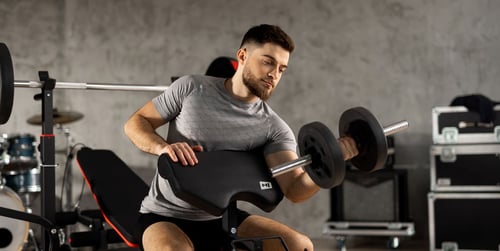
Building impressive big shoulders transforms your physique and improves upper body strength dramatically. Developing well-rounded delts requires targeting all three shoulder heads with the right exercises and consistent training. From dumbbells to barbells, having the right equipment makes progress faster and safer. Ready to discover the most effective shoulder-building movements? Let's break down exactly how to get boulder shoulders!
How To Build Boulder Shoulders
Building boulder shoulders requires understanding shoulder anatomy and training all three deltoid heads - anterior (front), lateral (side), and posterior (rear). Neglecting any head creates imbalances and limits overall shoulder development. Complete shoulder training hits all angles through pressing, raising, and pulling movements.
Key Training Principles
Progressive Overload:
- Start with 8-12 reps with proper form
- Gradually increase resistance as strength improves
- Train shoulders 2-3 times per week
- Allow adequate recovery between sessions
Form Over Weight:
- Shoulder joint is mobile but vulnerable to injury
- Control every rep, avoid momentum
- Focus on feeling the target muscle working
- Never sacrifice form for heavier weight
Best Exercises For Boulder Shoulders
The most effective boulder shoulders workout combines compound pressing movements with isolation raises. Presses build overall mass and strength, while raises sculpt definition and target specific heads. This combination creates well-developed, proportional shoulders.
In our range, weight sets and weight benches provide the foundation for serious shoulder development. Quality equipment allows proper positioning, supports heavier loads safely, and enables consistent progressive overload - the keys to building impressive delts.
Dumbbell Front Raise
Front raises target the anterior deltoids, building the front portion of your shoulders. Well-developed front delts contribute to overall shoulder mass and improve pressing strength across all movements.
Hold dumbbells in front of your thighs with palms facing down. Raise one or both arms forward until parallel to the floor, keeping arms straight but not locked. Lower with control and repeat. Alternate arms or perform both simultaneously based on preference.
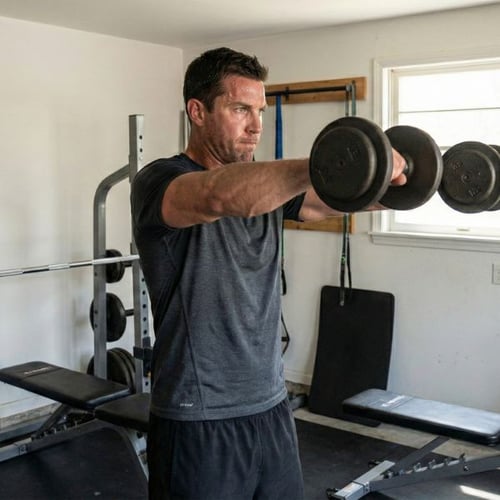
The anterior delts receive significant work from pressing exercises, so front raises serve best as supplementary volume after compound movements. Two to three sets of 12-15 reps provide adequate stimulus without overtraining the front delts.
Dumbbell Lateral Raise
Lateral raises isolate the side delts, creating shoulder width and that coveted boulder shoulder appearance. This exercise directly targets the lateral deltoid head, which contributes most to shoulder width when developed.
Stand with dumbbells at your sides, palms facing inward. Raise the weights out to the sides until they reach shoulder height, leading with your elbows slightly bent. Control the descent back to starting position. Keep your torso stable throughout - no swinging or leaning.
Keys to effective lateral raises:
- Lead with elbows, not hands, to maximize lateral delt activation
- Raise to shoulder height - going higher shifts tension to traps
- Control the eccentric (lowering) phase for maximum muscle damage
- Use moderate weight that allows 10-15 controlled reps
- Maintain slight elbow bend throughout the movement
Focus on feeling the side delts burning rather than chasing heavy weight. Lateral raises respond better to moderate loads with perfect form and higher rep ranges.
Barbell Overhead Press
The overhead press with barbells is considered the king of exercises for building shoulder muscles. This compound movement builds mass across all three deltoid heads while developing core stability and overall pressing strength. Nothing builds boulder shoulders faster than progressive overload on overhead presses.
Position the barbell at upper chest level. Press the weight straight overhead until arms are fully extended, then lower with control back to starting position. Keep your core tight, avoid excessive back arch, and drive through your heels for maximum power transfer.
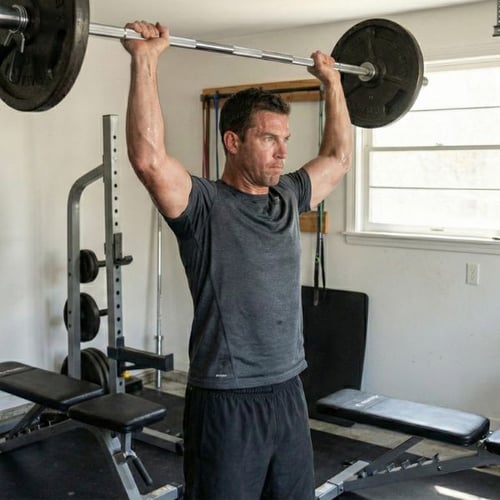
Barbell press advantages:
- Allows heaviest loads for maximum strength development
- Engages all three deltoid heads simultaneously
- Builds functional pressing strength that transfers to other movements
- Creates dense, thick shoulder mass when progressively overloaded
Start each shoulder session with overhead presses while you're fresh and can handle maximum weight safely. This compound movement should form the foundation of any boulder shoulders workout.
Arnold Press
Named after Arnold Schwarzenegger, this variation combines a press with rotation to hit all three deltoid heads through their full range of motion. The rotation element provides unique stimulus that standard presses miss.
Start with dumbbells at shoulder height, palms facing your body. As you press overhead, rotate your hands so palms face forward at the top. Reverse the motion on the way down. This rotation engages more muscle fibers throughout the movement.
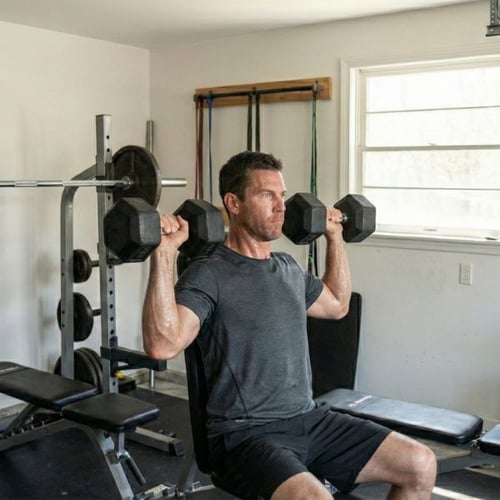
Arnold presses work excellently as a secondary pressing movement after barbell overhead presses. The rotation and controlled tempo create significant time under tension, promoting hypertrophy even with moderate weights. Perform 3-4 sets of 8-12 reps with deliberate form.
Face Pulls
Face pulls target the often-neglected rear delts and upper back, creating balanced shoulder development and improving posture. Most training emphasizes front and side delts, but rear delt work prevents imbalances and supports shoulder health.
Using a cable machine or resistance band attached high, pull the handles toward your face while keeping elbows high. Squeeze your shoulder blades together at the end of each rep, feeling the contraction in your rear delts and upper back.
Face pull benefits:
- Strengthens rear delts for balanced shoulder development
- Improves posture by counteracting forward shoulder position
- Supports shoulder joint health and injury prevention
- Can be performed with high frequency without excessive fatigue
Include face pulls at the end of shoulder workouts or on upper back training days. Higher rep ranges (15-20) with moderate resistance work best for this exercise, focusing on muscle activation rather than heavy loading.
Build Your Boulder Shoulders
Creating impressive big shoulders requires consistent training with the right exercises, progressive overload, and balanced development across all three deltoid heads. The five exercises covered target every angle for complete shoulder growth. Train shoulders 2-3 times weekly, prioritize compound presses early in workouts, and finish with isolation raises for detail work. At Hop-Sport, our range of equipment provides everything needed for effective shoulder training at home or in your personal gym. Ready to build those boulder shoulders? Start with proper equipment and consistent effort!
Discover these topics:
Author: Hop-Sport Team