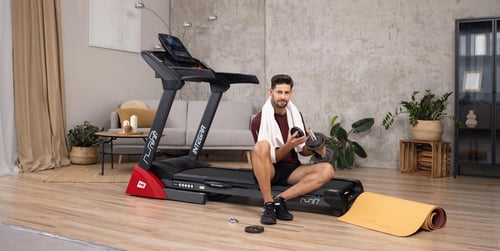
Most people don't quit the gym because they've lost motivation—they quit because the commute eats into their training time. A solid home treadmill fixes that overnight. The mar ket for treadmills has shifted recently, with folding designs and ultra-slim walking pads making cardio realistic even in smaller flats. This guide breaks down four of the best treadmills for home setups in 2026, from compact pads to feature-packed runners. Let's get into it!
What you'll learn:
- Four standout models: from a slim walking pad to a full-size folding runner
- Folding treadmill vs walking pad: side-by-side comparison table
- Key features that matter: motor, cushioning, speed range, and what to prioritise
- Space requirements: realistic measurements for rooms that double as living areas
Best Treadmills for Home Use in 2026: Our Top Picks
Four models stand out this year, and the right one depends on how you train. What makes the best home treadmill isn't raw specs: it's whether the machine suits the sessions you'll actually do.
Best All-Round Home Treadmill
Morning walks one day, interval sprints the next, a longer run on the weekend - a good folding treadmill (for example Treadmill HS-800LB Dorn) handles all three without complaint.
The motor keeps a steady pace at both walking and running speeds, and the cushioned deck absorbs impact so your knees feel it less during longer sessions. Folded up, it tucks flat against a wall.
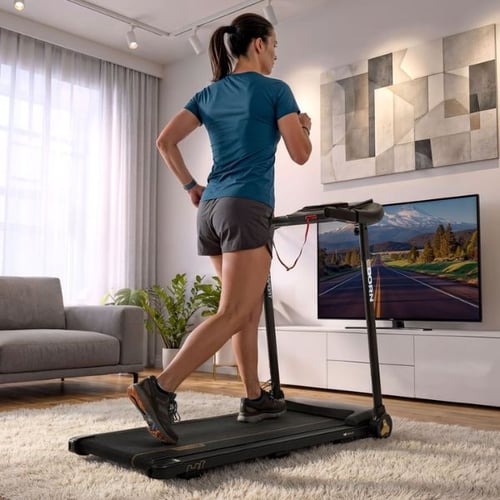
Best Walking Pad for Small Spaces
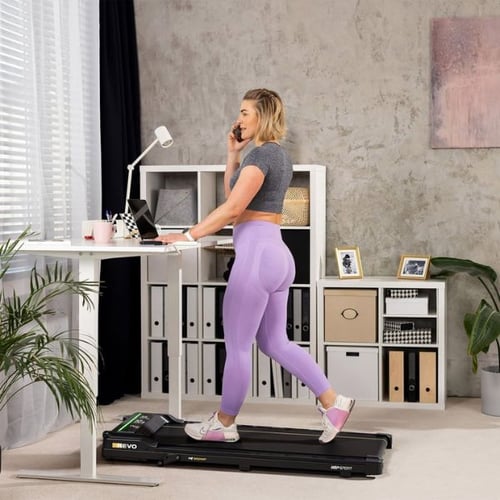
Not everyone has room for a full treadmill, and not everyone needs one. A walking pad HS-650WP Revo handles daily step goals and light cardio without demanding a separate workout window.
Our model is ultraslim - just 11 centimetres tall, thin enough to slide beneath a sofa or standing desk between sessions. If you work from home, it slots into the routine rather than interrupting it.
Compact Folding Treadmill for Tight Rooms
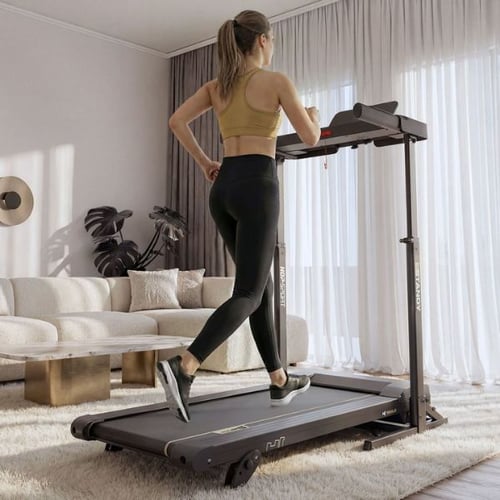
Living in a small flat doesn't mean settling for a walking pad. The Folding Treadmill HS-1900LB Standy folds flat for storage but opens into a proper running surface with adjustable speed settings covering walking through to a decent jog. A practical pick if every square metre counts.
Top Pick for Regular Runners
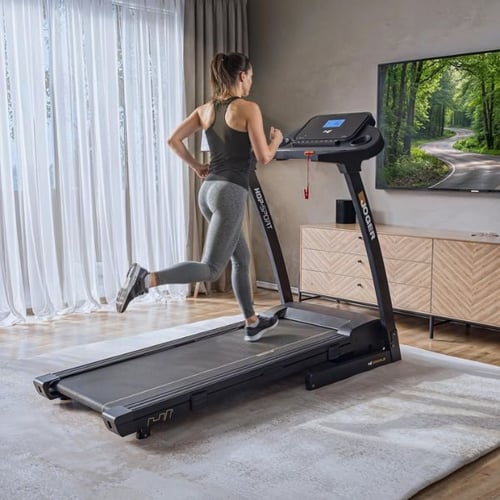
Runners clocking three or more sessions a week need range, and the Folding Treadmill Joger HS-2000LB handles that workload. It pushes a higher top speed than the other models in this line up, and incline options stop training from settling into the same flat session every time.
It still folds away after use - a genuine advantage over running-focussed machines that assume a permanent spot.
How Do You Choose the Best Treadmill for Home Gyms?
Start with an honest look at how you'll actually use the machine. Daily walking needs something very different from half-marathon training. Speed range matters if you run, deck size matters if you're tall, and folding capability matters if the treadmill shares a room with furniture. Don't assume spending more means getting more.
Questions worth answering before choosing:
- Primary activity - walking only, walking and jogging, or proper running at pace
- Available floor space - permanent setup or folding after each session
- Noise tolerance - ground floor flat or shared walls with neighbours
- User weight and height - heavier or taller users need a wider belt and stronger motor
- Training frequency - occasional use versus five sessions a week changes durability needs
Matching the machine to your routine avoids the trap of buying something too basic or unnecessarily complex. If you walk three evenings a week, you don't need a 20 km/h belt - but if you train at pace, you'll outgrow a basic pad within months. The best at home treadmill is simply the one that fits your habits and actually gets used.
Folding Treadmill vs Walking Pad: Which Saves More Space?
These two categories overlap, but the differences matter when space is the deciding factor. A folding treadmill collapses vertically or horizontally, cutting its footprint in half. A walking pad stays flat but slides under furniture.
All four models at a glance:
Model | Best for | Key feature |
Dorn | All-round home cardio | Cushioned deck, solid motor, folds for storage |
Revo | Light cardio, desk walking | Ultra-slim walking pad, slides under furniture |
Standy | Small flats, mixed walking and jogging | Compact fold, adjustable speed settings |
Joger | Regular running sessions | Wide speed range, incline options |
Walking pads win on sheer compactness. Folding treadmills win on versatility. The storage question comes down to whether you have vertical space (wall or closet) for a folded treadmill or horizontal space (under a bed or desk) for a pad. Pick based on how much running is in your plan - when pace matters, go with a folding model as the best treadmill for sustained use.
Key Features to Compare Before Buying
Spec sheets throw dozens of numbers at you, but only a handful of affect how the machine actually feels. A handful of features separates the top-rated treadmills for home gyms from the rest: a motor that holds consistent speed under load, decent deck cushioning to protect your joints, and enough belt width for a natural stride. Cheaper motors tend to slow down when the incline goes up - and you'll notice it fast.
Pay attention to motor consistency - steady belt speed under load matters more than raw horsepower claims. A wider deck suits taller users and faster speeds, while even a modest incline range turns a flat walk into a much better calorie burn. Noise is worth checking too, especially if you train early or share walls with neighbours.
Quick tip: try bumping the incline to 3-5% during walking sessions - it mimics outdoor effort more closely than a flat belt and burns noticeably more over 30 minutes. A small trick, but one that separates top treadmills from machines collecting dust.
Is a Treadmill Worth It for Home Use?
A home treadmill pays for itself faster than you'd expect. The average gym membership runs between 30 and 50 pounds a month - over two years, that adds up to 1,200 pounds. Folding models tend to be what most buyers go for, precisely because they fit a typical home without demanding a dedicated room. Hop-Sport has been supplying home cardio equipment since 2003, and folding treadmills now make up the bulk of what we ship to customers across Europe.
The real question isn't cost - it's consistency. A treadmill in the next room removes the biggest barrier to exercise: getting started. No kit bag, no commute, no waiting for a free machine.
How Much Space Do You Need for a Home Treadmill?
Grab a tape measure before anything else. A folding treadmill needs enough floor space for the belt, plus about 50 centimetres of safety margin behind it - check the product page for exact dimensions before measuring up. When folded, most models stand upright against a wall and take up far less room. Walking pads sit at around 11 centimetres in height - thin enough to slide under a sofa or bed frame.
Quick space-saving checklist:
- Measure first - check both unfolded and folded dimensions against the actual room
- Clear behind the belt - keep the area obstacle-free while the machine is running
- Use transport wheels - most folding models roll into a cupboard or hallway alcove between sessions
Don't rule out rooms that double as living areas - they work well when the treadmill folds away cleanly. Models collapsing to under a meter in depth rank among the best home treadmills for exactly this reason.
Getting Started With Your Home Treadmill
Every treadmill on this list does its job well - the trick is matching it to how you actually train, not how you imagine training. A walking pad suits daily movement without changing clothes. A folding treadmill covers the widest ground for mixed use, and a running-focused model earns its spot if pace is already part of your week. Ask yourself "what will I realistically do three times a week?" and the answer narrows things down fast. Browse our full treadmill range and find the right fit!
FAQ: Most Common Questions About Home Treadmills
What speed should a home treadmill have?
A treadmill reaching 12-14 km/h covers walking, jogging, and moderate running for most home users. Dedicated runners benefit from models reaching 16 km/h, while walking-only users manage well with a walking pad capping at around 6 km/h.
Can you use a walking pad as a treadmill?
Most walking pads cap out at around 6 km/h and have a narrower belt, so they cover walking but not actual running. Pushing beyond the rated speed range puts extra strain on the motor and reduces the belt's lifespan - if running is part of the plan, a folding treadmill is the safer pick.
How long do home treadmills last?
A well-maintained home treadmill typically lasts between 7 and 12 years. Belt and deck replacements may come up after 5-6 years of heavy use, but basic maintenance extends lifespan considerably.
Author: Hop-Sport Team