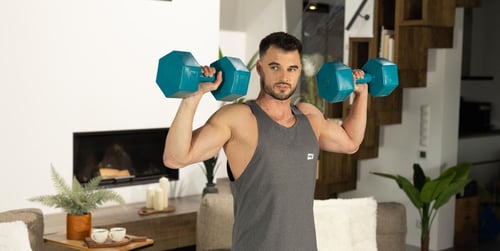
Dumbbells can set you back more than you'd expect - and if you've ever stood in a sports shop quietly shocked at the price tag, you're not alone. If you're also wondering how to get the most out of them once you've bought a pair, check out our weight sets guide as a good place to start. In this article we break down exactly what drives the cost, what you actually get for your money, and whether it's worth spending more or going budget. Read before you buy!
Why Are Dumbbells So Expensive?
The main reason why dumbbells are so expensive comes down to materials: they're made from dense, heavy materials - usually cast iron or steel - and those raw materials aren't cheap. Unlike most fitness equipment, a dumbbell is almost entirely solid metal, so even a modest set adds up fast.
Once you learn how to train triceps with dumbbells or any other muscle group, you quickly realise you'll want more than one weight. A full set covering light to heavy can easily run into the hundreds, and shipping costs for something this heavy push the price up further.
It's also worth remembering that demand for home gym equipment has gone up significantly over the past few years, which hasn't helped keep prices down.
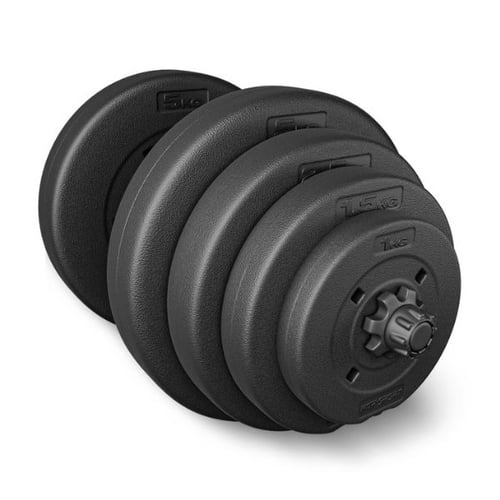
What Affects the Price of Dumbbells?
Not all dumbbells are priced the same, and the difference usually comes down to a few key factors. Understanding what you're actually paying for makes it a lot easier to decide where to spend and where to save.
Fixed vs Adjustable Dumbbells
Fixed dumbbells are simple, durable, and ready to use straight away. Adjustable dumbbells let you change the weight on a single handle, which makes them more versatile but more expensive upfront.
For home training, here's a quick breakdown:
- Fixed dumbbells are cheaper per unit but you'll need several pairs to cover different exercises
- Adjustable dumbbells cost more initially but replace an entire rack of weights
- If space is limited, adjustable is usually the smarter investment
- For beginners, a fixed dumbbell set covering a few weight ranges is often the best starting point
Brand, Design and Build Quality
Premium brands charge more for tighter tolerances, better grip finishes, and longer warranties. Design matters too - hex-shaped dumbbells sit flat and don't roll, knurled handles reduce hand fatigue. A well-made dumbbell just feels better in the hand, which adds up over hundreds of sessions.
Cast Iron, Rubber and Coated Dumbbells
The material is one of the biggest price drivers. Cast iron is affordable and very durable, but noisy and hard on floors. Rubber-coated dumbbells cost more but protect both the equipment and your floor - which matters a lot in a home gym.
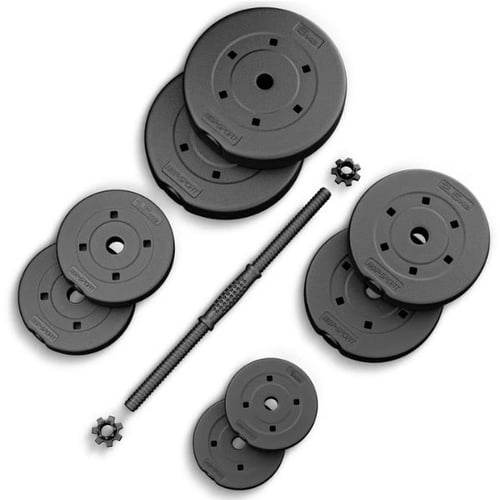
Here's how the main materials compare:
- Cast iron - affordable, tough, but loud and hard on floors
- Rubber-coated - quieter, floor-friendly, mid-range price
- Neoprene - smooth grip, good for lighter weights, easy to store
- Chrome - sleek look, used in commercial gyms, higher price point
Are Expensive Dumbbells Worth the Money?
In most cases, yes. A cheap dumbbell that chips or has a handle that slips mid-rep isn't just annoying, it's a safety issue - and that's exactly the trap with cheap dumbbells, you often end up replacing them sooner than expected. Think of it less as a purchase and more as a long-term investment in your training.
That said, expensive dumbbells don't always mean better. The sweet spot for most home gym users is mid-range: well-built, rubber-coated, with a decent grip - without paying for a commercial gym brand name. If you train regularly, a quality set will pay for itself quickly compared to a gym membership.
Cheaper Alternatives to Expensive Dumbbells
You don't have to spend a fortune to train effectively at home. There are a few smart ways to keep costs down without compromising on quality.
Budget-friendly options worth considering:
- Start with an adjustable dumbbell set instead of multiple fixed pairs
- Look for weight sets that bundle dumbbells with plates for better value
- Buy a smaller range first - two or three weight options cover most exercises
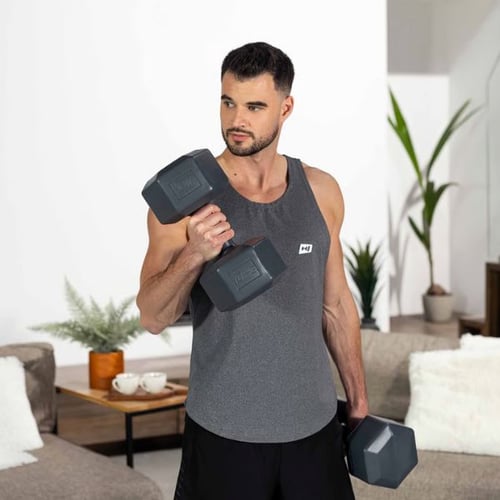
How to Choose the Right Dumbbells for Your Budget
Start by thinking about your goals and the exercises you'll actually do. If you're mainly doing isolation work, a lighter fixed set works fine. If you want to progress into heavier pressing or rows, you'll need more range.
Adjustable dumbbells make sense here, especially if space is limited. Either way, it's better to buy slightly heavier than you think you need right now, because you will progress.
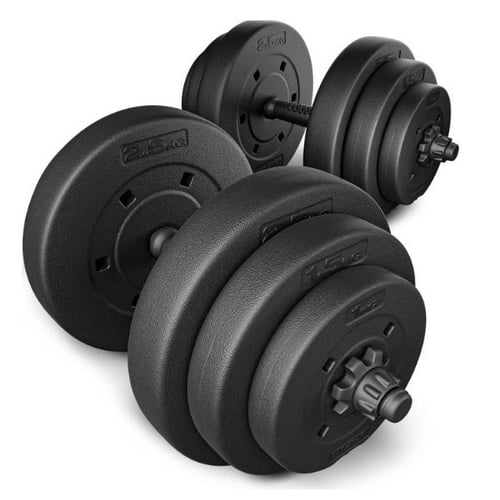
A few practical tips before buying:
- Think about where you'll store them - hex dumbbells stack easily, round ones don't
- Check if the handle diameter suits your hand size, it affects grip comfort significantly
- For home gyms, rubber-coated is almost always worth the small extra cost
- Pairing dumbbells with weight plates gives you more flexibility as you progress
- If you're unsure where to start, a mid-weight set covers the widest range of exercises
At Hop-Sport, we offer dumbbells in practical weight configurations to suit different training levels - including options like 2 x 10 kg and 1 x 20 kg, a straightforward choice for home workouts. Check out our full dumbbells range and find the right fit for your setup.
Dumbbells Price FAQs
When Is It Worth Paying More for Dumbbells?
It's worth paying more when you train regularly and need equipment that holds up over time - better materials, safer grip, and a longer lifespan make the extra cost a sensible investment.
Are Hop-Sport Dumbbells Worth The Price?
Hop-Sport dumbbells are built to last and priced fairly for the quality you get - a reliable choice for anyone building a home gym without overspending.
Do Dumbbells Ever Go on Sale?
Dumbbells do go on sale periodically, especially around fitness-focused seasons, so keeping an eye on retailers can save you a fair amount if you're not in a rush.
Explore these topics:
Author: Hop-Sport Team