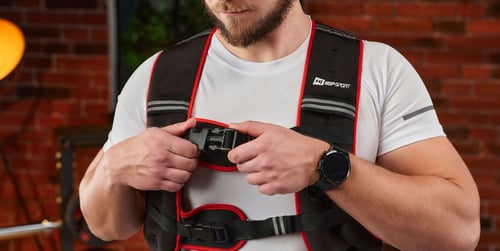
A weighted vest looks like a simple piece of kit - and it is. But picking the wrong one means bouncing, pressure points, and a vest that ends up in the corner after three sessions. Finding the best weighted vest for your training style is the whole point of this guide - walking, or anything in between. Whether you're after the weighted vests best suited to home workouts or something built for outdoor use, read on!
What you'll learn:
- The Hop-Sport vest range: one neoprene and sand-filled design built for every training style
- How to choose: the six questions that matter before buying
- Material and fill: why neoprene and sand outperform alternatives for most people
- Use case breakdowns: running, walking, and general home training
- Starting weight: practical numbers for beginners through to experienced lifters
Hop-Sport Weighted Vests for Home Training 2026
The Hop-Sport weighted vests are built around one combination that handles every training style cleanly: neoprene shell with sand fill. Sand distributes weight evenly and stays centred during movement, while neoprene moulds to the body without restricting breathing or shoulder mobility. The same base construction covers daily walking, callisthenics, running - what changes is the load you choose, not the vest itself.
Walking and Strength Work
For daily walking and low-intensity work, lighter loading (4 to 6 kg) keeps the vest comfortable through longer sessions while still adding measurable demand. If you're looking for the best weighted vest for walking, that lighter range with reflective detailing for evening sessions tends to be the practical pick.
For callisthenics, pull-ups, dips, and body weight strength work, the same vest scales up well - the snug neoprene fit prevents shifting during dynamic movement, and sand filling means no hard edges digging in during a plank or bear crawl.
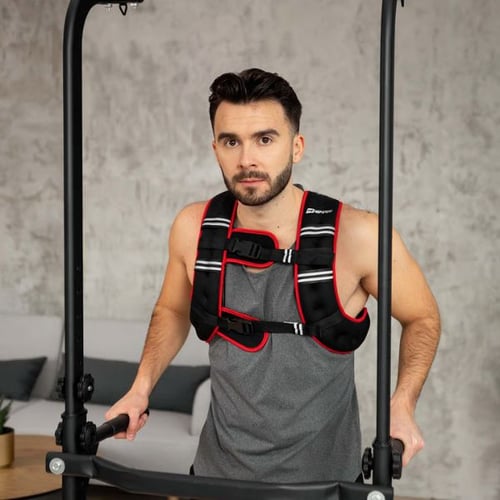
Running and High-Intensity Sessions
Running benefits from the lower end of the load range (3 to 5 kg) to preserve running economy, while HIIT sessions can take more - the close fit and sand distribution keep the vest stable through box jumps, burpees, and rope climbs. The reflective strips earn their keep on early-morning runs, and the small interior pocket holds keys without adding bulk. One vest, multiple training styles, with adjustable fastenings that let you fine-tune the fit between activities.
Two Load Options: 5 kg and 10 kg
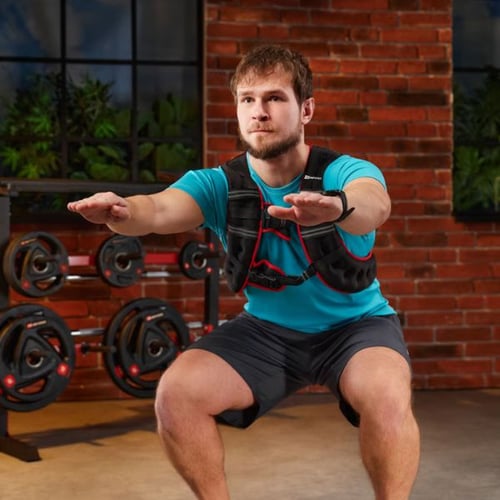
The Hop-Sport range comes in two load options: a 5 kg weighted vestand a 10 kg weighted vest. The 5 kg version sits in the sweet spot for walking, running, and anyone starting out with weighted training - light enough to stay comfortable over a 45-minute session, heavy enough to add real demand to walks and easy runs.
The 10 kg option steps things up for callisthenics and experienced lifters chasing heavier weighted pull-ups, dips, and squats. Same neoprene and sand-fill construction, same adjustable fastenings - the difference is how much load you're moving with every rep.
How Do You Choose the Right Vest for Your Training?
Most buyers search for a ,,best overall’’ option when the real question is best for what? Fill type and fit matter most - the six questions below narrow the choice down fast. Neoprene with sand filling solves the comfort and distribution problem at once. Plate-loaded options introduce hard edges that become uncomfortable during dynamic movement - for most home training setups, sand fill is the more practical choice.
Ask yourself these before buying:
- Primary activity: running needs a snug fit that won't bounce; walking allows more flexibility
- Starting weight: beginners need 4-6 kg; experienced athletes might go to 10-15 kg
- Fill type: sand for even distribution and comfort; metal plates for precise, adjustable loading
- Fit and adjustability: fastenings should hold the vest close without restricting breathing
- Body shape: women often need a contoured cut to avoid pressure points across the chest
- Safety features: reflective strips matter if you train outdoors in low light
Vest for Women vs Men: What Actually Differs
The training effects are identical regardless of sex. The practical difference is fit. The best weighted vest for women is one with a contoured cut through the chest and torso, combined with adjustable side or shoulder fastenings - this keeps load distributed across the torso rather than concentrating on the shoulders.
The best weighted vest for men accounts for strap length and shoulder width - these vary more than most buyers expect, and a vest that's too narrow restricts arm movement during overhead work.
Quick tip: whatever your body shape, fasten the vest at home and do ten jumping jacks. If it shifts, it'll be worse during an actual session.
Key Features to Look at Before Buying
Two vests can have identical weight but entirely different training feel - these features separate a vest you reach for every session from one that collects dust. Shell material, fill type, and fastening design each affect how a vest behaves under load and over time.
Neoprene Shell and Sand Fill
Neoprene stretches and returns to shape, moulding to the body without sagging. It's water-resistant and easy to wipe down - important for anything cardio-focused. Sand-filled vests settle around the body evenly, keeping mass centred without hard edges. Metal-plate vests can create pressure points during running or burpees. For anyone training dynamically, the comfort difference is noticeable from the first session.
Adjustable Fastenings and Pocket Details
Adjustable straps are the feature most buyers overlook until a vest won't stay still. A well-placed side buckle lets you tighten for running and loosen for slower work. Reflective strips add safety for outdoor training after dark, and the small interior pocket handles keys without needing a separate bag. These details show up quickly in daily use - check them before buying, rather than after the first sign of wear.
What separates a quality training vest from a cheap alternative:
- Shell material: neoprene holds shape and wicks moisture; cheaper fabric sags and retains sweat
- Fill type: sand distributes evenly; loose filler beads shift and create imbalance
- Fastening quality: reinforced buckles hold under dynamic movement; flimsy clips fail at higher loads
Walking vs Running: Are the Requirements the Same?
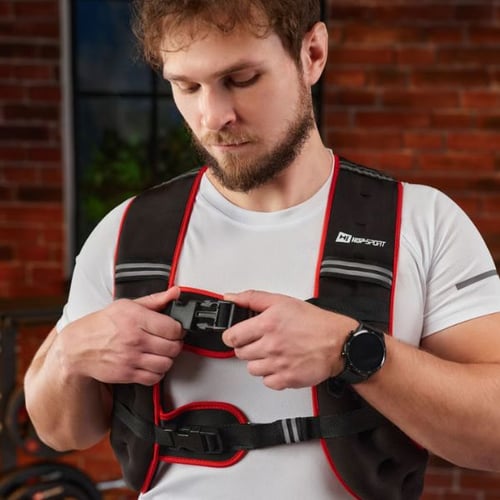
Running raises the stakes on every vest requirement. A vest that sits still during a 5 km walk may shift enough during a run to cause chafing. For running specifically, fastenings need to be tighter and the weight should stay low - 3 to 5 kg preserves running economy. A body-hugging neoprene cut with minimal excess material at the sides keeps the fit locked in.
Walking vests work differently - load up to 10-12 kg is reasonable for experienced ruckers. For the best weighted vest UK buyers require, prioritise adjustable fastenings and reflective detailing for low-light mornings.
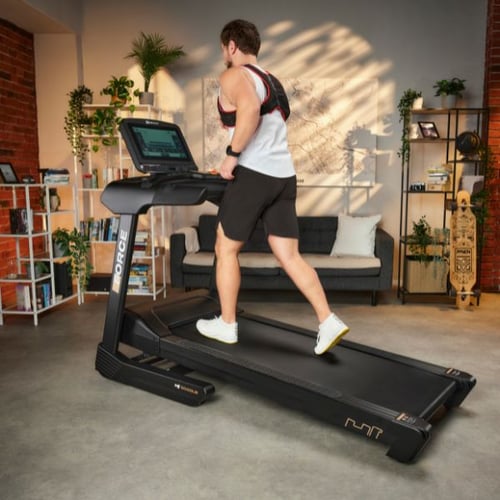
Matching the vest to the activity:
- Walking: prioritise weight capacity, comfort over distance, and pocket space
- Running: prioritise tight fit, minimal movement, and weight under 5 kg
- Strength training: prioritise even load distribution and full range of motion at the shoulders
- HIIT: prioritise stability under explosive movements and easy fastening adjustment
Matching a vest to an activity reduces discomfort mid-session and makes it easier to progress in weight without changing equipment.
Is a Weighted Vest Worth It?
Adding 5 to 10 kg to workouts, you're already changing the stimulus without changing the programme. Calorie expenditure goes up, muscles work harder, and cardiovascular demand increases. A quality vest is compact, easy to store, and adaptable across training styles.
Choosing Your First Weighted Vest
For most people, a vest in the 6 to 8 kg range covers walking, light cardio, and introductory strength work without overwhelming stabilising muscles. At Hop-Sport, we recommend starting with a neoprene and sand-filled vest over a plate-loaded option - the comfort difference in the first month determines whether you keep using it. Build the habit on lower-impact sessions before adding load on harder ones, and you'll get longer use out of the same vest.
If running is part of your training, the best weighted vest for running tends to be one you'd hardly buy for the gym - lighter, snugger, and cut closer to the torso to stop bouncing through the stride cycle. Match the vest to your dominant training style first, and add a second vest later only if your two main activities are genuinely different. Browse our weighted vests to find the right weight and cut.
Author: Hop-Sport Team