
Figuring out how much cardio per week suits your goals can feel confusing. Too little won't deliver results, while too much cardio leads to burnout and overtraining. The right amount depends on your fitness level, goals, and recovery capacity. Whether you're aiming for weight loss, improved endurance, or general health, understanding the balance between frequency and intensity makes all the difference. From elliptical cross trainers to bikes, home cardio training offers flexibility to fit your schedule. Let's break down exactly how much cardiovascular exercise you need!
Understanding Cardio Frequency Guidelines
General health guidelines recommend 150-300 minutes of moderate-intensity aerobic exercise per week. This breaks down to roughly 30-60 minutes, 5 days per week. For weight loss or improved fitness, aim toward the higher end of this range.
Moderate intensity means you can hold a conversation while exercising but feel your heart rate elevated. This level of effort burns calories, strengthens your cardiovascular system, and supports overall health without excessive strain.
Can You Do Cardio Everyday?
The answer depends on intensity and recovery. Low to moderate intensity cardio everyday is safe for most people. Walking, easy cycling, or gentle sessions on an elliptical won't overtax your body when kept at comfortable effort levels.
High-intensity cardio everyday, however, increases injury risk and prevents proper recovery. Your muscles, joints, and nervous system need time to repair and adapt. Most people benefit from 2-3 high-intensity sessions per week, with lower intensity or rest days in between.
The Benefits of Home Cardio Training
Training at home removes barriers that derail consistency. No commute to the gym, no waiting for equipment, no weather excuses. You control your schedule completely, making it easier to hit your weekly cardio targets.
Home cardio advantages:
- Complete schedule flexibility - train whenever suits you best
- Zero commute time saves hours each week
- Privacy and comfort of your own space
- One-time equipment investment replaces ongoing gym memberships
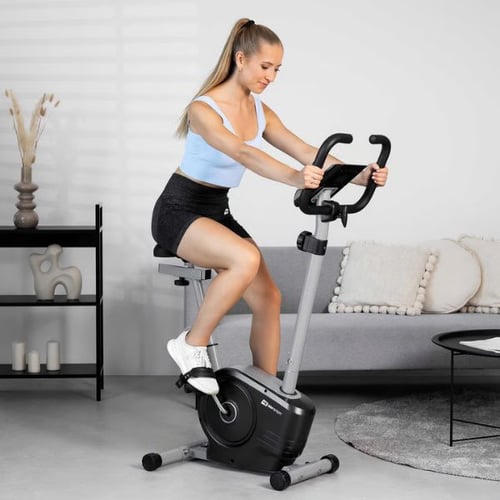
Exercise bikes and cross trainers deliver effective cardiovascular exercise in compact spaces. Modern home equipment tracks your progress, adjusts to your fitness level, and provides the same quality workout as commercial gym machines.
Why the Focus Magnetic Cross Trainer Works for Any Schedule
Our HS-003C Focus Magnetic Cross Trainer combines stepper, treadmill, and stationary bike functions in one machine. This versatility means you can vary your workouts without needing multiple pieces of equipment, keeping training interesting and comprehensive.
Regular workouts on the Focus cross trainer improve fitness and support effective weight loss. The magnetic resistance system and extra soundproofed flywheel allow quiet operation - you can exercise freely even at night without disturbing household peace. Manual resistance adjustment lets you tailor difficulty to your current fitness level and daily energy.
We've equipped the multifunctional LCD computer to monitor time, distance, speed, calories burned, and pulse, giving you complete training data. A built-in tablet or phone holder means you can watch content or listen to music during sessions, making longer workouts more enjoyable. Touch pulse sensors on the handlebars track heart rate, helping you maintain optimal training intensity for your goals.
Structuring Your Weekly Cardio Plan
A balanced approach mixes different intensities throughout the week. Planning your sessions strategically ensures you get enough cardiovascular exercise while allowing proper recovery between harder efforts.
Key elements of an effective weekly cardio structure:
- Include 3-4 moderate-intensity sessions of 30-45 minutes each
- Add 1-2 high-intensity interval sessions of 15-25 minutes
- Take 1-2 complete rest days or active recovery days
- Adjust frequency based on how you feel and recover
This structure provides enough cardiovascular exercise for health and fitness improvements while allowing adequate recovery. As fitness improves, gradually increase session duration or intensity rather than simply adding more days.
Signs You're Doing Too Much Cardio
Overtraining happens when exercise volume exceeds recovery capacity. Recognizing the warning signs early helps you adjust before serious problems develop.
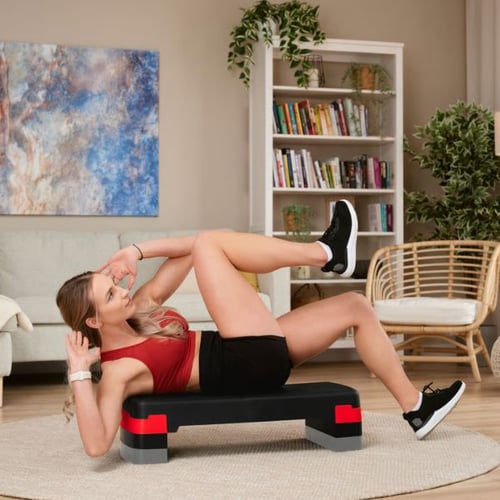
Common signs of too much cardio:
- Persistent muscle soreness lasting beyond 48 hours
- Trouble sleeping despite feeling physically exhausted
- Decreased performance despite consistent training effort
- Elevated resting heart rate when checked in the morning
- Frequent minor illnesses or slower recovery from colds
Mental burnout also signals too much cardio - dreading workouts, losing motivation, or feeling anxious about missing sessions. These signs mean your body needs more recovery. Reducing frequency or taking a full week off often restores both physical and mental energy.
Your Home Cardio Solution
The right amount of cardiovascular exercise balances consistency with recovery. Most people thrive on 150-300 minutes per week spread across 4-6 sessions, mixing moderate and high intensities. Training at home on quality equipment like cross trainers and bikes makes hitting these targets realistic and sustainable. Listen to your body, adjust as needed, and remember that consistent moderate effort beats sporadic intense training. Ready to build your home cardio routine? Explore our range of equipment designed for effective, convenient training.
Explore more topics:
Author: Hop-Sport Team