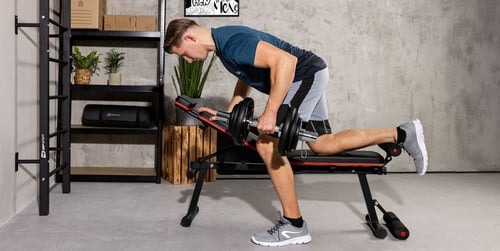
Strength training is one of the most effective ways to build muscle, increase power, and improve overall health. Whether you're lifting weights, using resistance bands, or working with your own body weight, this type of exercise challenges your muscles to adapt and grow stronger. Let's explore what strength training really means, how to get started, and why weight plates and other equipment can help you reach your goals!
What Exactly Is Strength Training?
When people ask "what is strength training," the answer is simple: it's resistance training that makes your muscles work against an external force. This force could be dumbbells, barbells, resistance bands, machines, or even your own body weight. The goal is to challenge your muscles beyond their normal capacity, triggering adaptation and growth.
When you perform strength training exercises, you create small tears in muscle fibers. During recovery, these fibers repair and become thicker and stronger. This process, called muscle hypertrophy, leads to increased strength and size over time.
How Does It Differ From Other Types of Exercise?
Strength training focuses on building muscular strength and endurance, which sets it apart from cardio or flexibility work. Cardio exercises like running primarily improve your cardiovascular system, while strength training builds muscle mass and increases your resting metabolic rate.
Flexibility training improves range of motion but doesn't create the same muscle-building stimulus. Strength training complements these other forms - combining all three creates a well-rounded fitness program.
Who Can Benefit From Strength Training?
Everyone can benefit from strength training, regardless of age or fitness level. Beginners gain foundational strength. Athletes improve performance and reduce injury risk. Older adults maintain muscle mass and bone density.
Groups that particularly benefit from strength training:
- Beginners building a fitness foundation
- Athletes improving sport-specific performance
- Older adults preserving muscle mass and bone density
- People recovering from injury under professional guidance
- Anyone looking to improve body composition
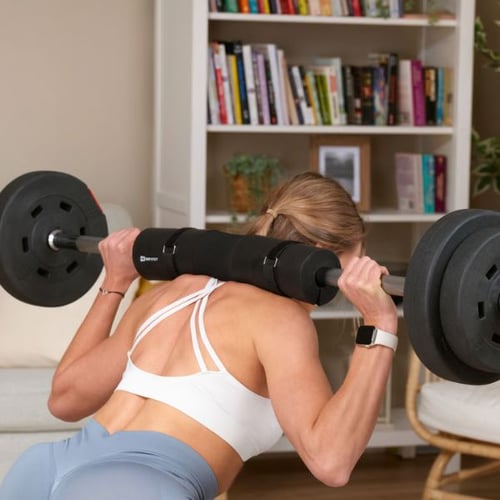
Even if you've never lifted weights, starting with basic exercises builds strength safely. The key is beginning at your current level and progressing gradually.
What Is Functional Strength Training and Why Is It Important?
Functional strength training focuses on exercises that mimic real-world movements and improve everyday activities. Instead of isolating single muscles, functional training uses compound movements engaging multiple muscle groups working together. This approach builds strength that directly translates to daily life.
Examples include squats (sitting and standing), deadlifts (picking things up), and overhead presses (lifting objects above your head). These movements train your body to handle common physical demands more efficiently and safely.
How Does Functional Training Improve Everyday Movements?
Functional training strengthens the movement patterns you use most often. When you train these patterns with resistance, your body becomes more efficient during daily activities. Carrying groceries, climbing stairs, and lifting children all become easier.
This training also reduces injury risk. By strengthening muscles and tendons through full ranges of motion, you create a more durable body. Your joints become more stable and your posture improves.
Examples of Functional Strength Exercises
Functional exercises engage multiple muscle groups and mimic real-world movements. Squats develop leg strength for sitting and standing. Deadlifts train the posterior chain for safe lifting. Push-ups build upper body pressing strength.
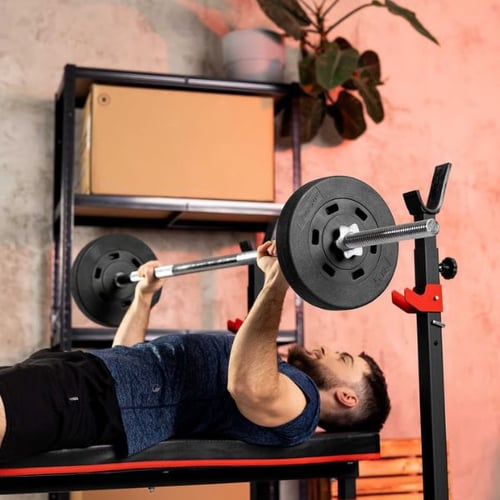
Common functional strength training exercises:
- Squats: Build leg strength and improve sitting/standing mechanics
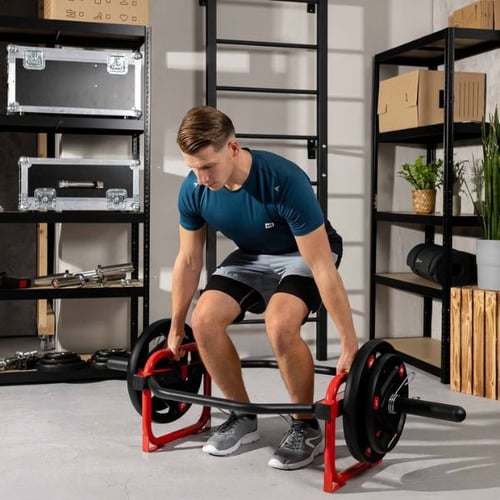
- Deadlifts: Develop posterior chain for safe lifting from the ground
- Push-ups: Strengthen chest, shoulders, and triceps for pressing movements
- Rows: Build back strength for pulling and posture
- Lunges: Improve single-leg strength and balance
- Planks: Develop core stability for all movements
These exercises form the foundation of most effective programs. Mastering these patterns with proper form creates a solid base for advanced training.
What Is the Best Equipment for Strength Training?
The best equipment depends on your goals, experience level, and available space. Free weights like dumbbells and barbells offer versatility and natural movement patterns. Machines provide stability and are excellent for beginners. Body weight exercises require no equipment and can be done anywhere.
We offer quality options for every training style at Hop-Sport. Our weight sets provide everything needed to start building strength at home, while dumbbells offer flexibility for various exercises.
Free Weights vs. Machines - Which Should You Choose?
Free weights and machines each have distinct advantages. Free weights require more stabilization, which engages supporting muscles and improves coordination. They allow natural movement paths and work well for compound exercises. Free weights also take less space and cost less.
Machines provide guided movement paths, making them easier for beginners to use safely. They're exceptional for isolating specific muscles and useful when training without a spotter. Machines also reduce the learning curve.
Free weights advantages:
- Engage stabilizer muscles for balanced development
- Allow natural movement patterns
- More versatile for different exercises
- Better for functional strength development
Machine advantages:
- Easier to learn and use safely
- Effective for muscle isolation
- Safer for training without a spotter
- Useful for working around injuries
The best approach often combines both. Use free weights for compound movements and machines for isolation work or when training specific muscles to fatigue.
Do You Really Need Equipment, or Can Body weight Workouts Be Enough?
Body weight training can be highly effective, especially for beginners. Push-ups, pull-ups, squats, lunges, and planks build significant strength without equipment. Progressive body weight programs continue challenging advanced athletes through variations.
However, equipment provides several advantages. Adding external resistance allows for more precise progressive overload - you can increase weight in small increments as you get stronger. Equipment also enables exercises that body weight alone cannot replicate, like heavy squats and deadlifts.
What Does a Good Strength Training Workout Look Like?
A good strength workout includes a warm-up, compound exercises, accessory work, and cool-down. Start with 5-10 minutes of light cardio and dynamic stretching. Focus on big compound movements first - exercises like squats, deadlifts, presses, and rows that work multiple muscle groups.
Follow with accessory work targeting specific muscles. End with stretching to improve flexibility and aid recovery. Each workout should challenge you while maintaining proper form.
How Many Days Per Week Should You Train?
Most beginners benefit from 2-3 strength training sessions per week. This frequency provides enough stimulus for growth while allowing adequate recovery. Training the same muscle groups every day doesn't allow proper recovery.
As you advance, you might increase frequency by splitting workouts - training different muscle groups on different days. This allows more frequent training while giving each muscle group recovery time. Rest days are crucial - muscles grow during recovery, not during the workout.
Example Beginner Strength Training Routine
A simple full-body routine performed 2-3 times per week builds strength effectively for beginners. Start with compound movements, then add accessory exercises. Focus on learning proper form before adding weight.
Sample beginner workout:
- Squats: 3 sets of 8-10 reps
- Push-ups (or dumbbell press): 3 sets of 8-10 reps
- Rows: 3 sets of 8-10 reps
- Lunges: 2 sets of 10 reps per leg
- Plank: 3 sets of 30-60 seconds
Rest 60-90 seconds between sets. We recommend starting with body weight or light weights, focusing on form first. Add weight gradually as exercises become easier.
Tips for Progressing Safely and Effectively
Progressive overload drives strength gains - gradually increasing demands on your muscles. This can mean adding weight, increasing reps, or improving form. Track your workouts to monitor progress.
Prioritize form over weight. Lifting heavy with poor technique leads to injury. Master movement patterns with lighter loads before increasing resistance. If form breaks down, reduce the weight.
Keys to safe progression:
- Increase weight by small increments (2.5-5% at a time)
- Perfect form before adding more resistance
- Allow adequate rest between training sessions
- Listen to your body and adjust when fatigued
- Warm up properly before every workout
Consistency matters more than intensity. Regular training with moderate effort produces better long-term results than sporadic intense workouts. Build the habit and trust the process.
Why Strength Training Should Be Part of Everyone's Fitness Journey
Strength training delivers benefits beyond muscle growth. It increases bone density and boosts metabolism. It improves insulin sensitivity and cardiovascular health. It enhances mental well-being.
Building strength makes life easier. Physical tasks become effortless. Injury risk decreases. Energy levels rise. These benefits compound over time - starting today means reaping rewards for years to come. Whether you're training for strength with body weight, dumbbells, or barbells, the important thing is getting started and staying consistent.
Explore more topics:
Author: Hop-Sport Team