
The debate over cardio before or after weights has divided gym-goers for years. Some swear by starting with a treadmill session, while others hit the weights first and save cardio for later. The truth is, the order matters - but the right choice depends on your goals and energy levels. Understanding how exercise sequencing affects your body helps you train smarter. Let's break down when to use exercise bikes and when to prioritize lifting for maximum results.
Why Does the Order of Cardio and Weights Matter?
The order you choose affects performance, energy levels, and results. Whichever activity comes first gets the benefit of your freshest state. Starting with cardio means your muscles may be fatigued by the time you lift. Lifting first, on the other hand, can reduce endurance for cardio.
Strength training demands maximum power output and proper form, both of which deteriorate when tired. Cardio requires sustained effort, which becomes harder once heavy lifting depletes glycogen stores.
Should You Do Cardio Before Weights?
Doing cardio before weights can work in specific situations, but it comes with trade-offs. When you start with cardio, you warm up your body and increase blood flow. However, prolonged cardio depletes glycogen, which means less energy for lifting.
If your cardio is short and moderate, like 5–10 minutes of light cycling, it serves as an effective warm-up. But 30–45 minutes of intense cardio first will hurt your lifting performance. You'll have reduced power output and struggle with heavier weights.
Downsides of cardio before lifting:
- Depleted glycogen reduces strength and power
- Pre-fatigued muscles can't lift as heavy
- Higher injury risk due to fatigue
- Slower muscle growth over time
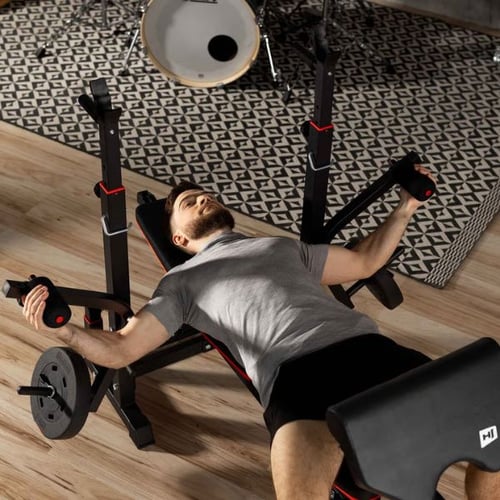
For most people focused on building strength or muscle, cardio before weights isn't the optimal choice. Save intense cardio for after lifting or on separate days.
Who Benefits Most From Starting With Cardio?
Starting with cardio makes sense for specific goals. Endurance athletes training for races should prioritize cardio when they're freshest. If your main goal is improving cardiovascular fitness, doing cardio first ensures you have maximum energy.
Beginners who feel intimidated by weights might benefit from starting with cardio. It helps build confidence and establishes a routine. If you're limited on time and cardio is your priority, tackle it first.
Should You Lift Weights Before Cardio?
Lifting weights before cardio is generally the better approach for most fitness goals. When you lift first, your muscles are fresh, your nervous system is sharp, and you can generate maximum force. This allows you to lift heavier weights, perform more reps, and maintain proper form.
After lifting, your glycogen stores are partially depleted, which puts your body in an ideal state for fat burning during cardio. Your metabolism stays elevated, and the cardio session helps flush out metabolic waste while still contributing to your calorie deficit. We recommend this approach for anyone balancing both cardio and strength training - you get quality lifting when it matters most, followed by effective cardio.
Is This Better for Strength and Muscle Growth?
Yes, weights before cardio is significantly better for strength and muscle growth. Muscle hypertrophy requires lifting challenging loads with good form, which is impossible when you're tired from cardio. Research shows that strength training first leads to greater gains.
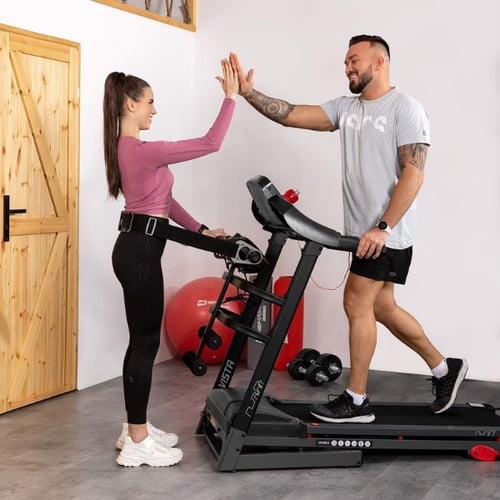
When you lift fresh, you can progressively overload your muscles. You lift heavier weights and maintain the intensity needed to stimulate growth. Post-workout cardio doesn't interfere with these gains as long as it's moderate.
Benefits of lifting before cardio:
- Maximum strength and power output when fresh
- Better form and reduced injury risk
- Greater muscle growth stimulus
- Cardio afterward aids recovery and burns extra calories
- Elevated metabolism continues during and after cardio
This sequence supports both building muscle and staying lean, making it ideal for body recomposition goals.
If Fat Loss Is Your Goal, Which Should You Do First?
For fat loss, weights before cardio creates the most effective environment. Lifting first depletes glycogen and signals your body to preserve muscle mass even in a calorie deficit. When you follow lifting with cardio, your body shifts to burning more fat.
Preserving muscle is crucial for fat loss. Muscle tissue burns more calories at rest, so maintaining muscle while losing fat keeps your metabolism higher. In our experience at Hop-Sport, using quality weight sets for strength training followed by moderate cardio delivers the best body composition results.
Can You Combine Cardio and Strength in the Same Session?
Yes, combining both in the same session works if structured properly. The key is managing intensity, so neither activity compromises the other. Keep your cardio moderate - think 20-30 minutes at a steady pace.
Circuit training naturally blends cardio and strength. These sessions alternate between resistance exercises and short cardio bursts, keeping your heart rate elevated while building strength.
Tips for combining cardio and strength effectively:
- Lift weights first for 30-45 minutes
- Follow with 15-30 minutes of moderate cardio
- Keep cardio intensity at 60-70% max heart rate
- Prioritize compound lifts over isolation exercises
- Adjust based on recovery and energy levels
Another option is splitting them up - lift in the morning and do cardio in the evening, or alternate days. This gives you full energy for both but requires more time.
How Do You Decide the Best Order for Your Workouts?
Your goals should drive the decision. If building muscle is your priority, always lift first. If training for endurance events, prioritize cardio. For fat loss with muscle preservation, lift before cardio.
Consider your energy levels too. If you consistently show up and train hard, that matters more than perfect sequencing.
Should You Listen to Your Goals or Your Energy Levels?
Ideally, both. Your goals provide the framework, but your energy levels determine execution quality. If you're exhausted and struggling through lifts after cardio, you're not building strength effectively.
That said, don't let temporary fatigue derail your long-term strategy. If your goal is muscle growth, commit to lifting first even on tough days. Over time, your body adapts, and what felt difficult becomes routine.
Can You Switch the Order Depending on the Day?
Yes, switching based on daily priorities makes sense for general fitness training. Varying the order prevents monotony and challenges the body differently.
However, frequent switching isn't ideal if you have clear objectives. If you're building muscle, constantly changing the order slows progress. Pick a goal and stick with that approach for 8-12 weeks.
Common Myths About Cardio and Weights
Several myths persist about combining cardio and strength training. Understanding what's actually true helps you make better decisions and avoid wasting time on ineffective strategies.
Does the Order Actually Not Matter?
Some people claim the order doesn't matter as long as you do both. Research and experience prove otherwise. The order significantly affects performance, especially for specific goals.
For casual exercisers doing light workouts, the order might not drastically change outcomes. But if you're training seriously, sequencing matters. Doing cardio before lifting reduces strength performance by 10-20%.
Can Doing Both on the Same Day Be Harmful?
This myth stems from concerns about overtraining or "interference effect," where cardio supposedly cancels out strength gains. In reality, doing both on the same day isn't harmful if programmed sensibly. The interference effect is real but overstated - it primarily occurs with excessive high-intensity cardio combined with heavy lifting.
Moderate cardio after lifting doesn't harm muscle growth. In fact, it can enhance recovery by promoting blood flow. The problems arise when you do too much volume, don't eat enough, or fail to recover adequately.
Signs you might be overdoing combined training:
- Persistent fatigue that doesn't improve with rest
- Declining strength or endurance performance
- Increased injury frequency
- Poor sleep quality despite being tired
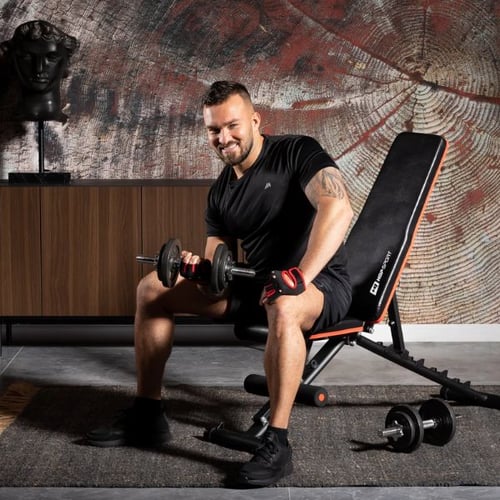
Final Thoughts: Cardio Before or After Weights - What's Best for You?
The answer depends on your goals, but for most people, lifting weights before cardio is the superior choice. This sequence maximizes strength, preserves muscle mass, and creates an optimal environment for fat loss. You lift with full energy and follow up with cardio that burns additional calories.
If your primary goal is cardiovascular endurance or training for a specific sport, prioritize that activity first. For general fitness, either order works as long as you stay consistent. We recommend quality equipment for both strength and cardio training at Hop-Sport, giving you everything needed to build an effective routine. Whether you're lifting or cycling, focus on what moves you toward your goals and train with intention.
Explore more topics:
Author: Hop-Sport Team