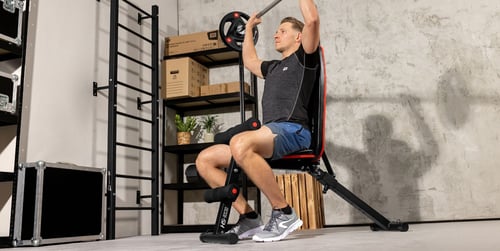
The question "does lifting weights burn fat" comes up constantly in fitness circles. The short answer is yes - but not quite in the way most people expect. Weight training doesn't just torch calories during your workout. It builds muscle that continues burning energy long after you leave the gym. This guide breaks down the science, compares lifting to cardio, and shows you how to structure your training for maximum fat loss. Whether you're using weight plates or bodyweight, the principles remain the same.
How Strength Training Helps Burn Fat
Does strength training burn fat? Absolutely. When you lift weights, your body burns calories to fuel the movement and repair muscle tissue afterward. Unlike cardio that burns calories mainly during exercise, strength training increases your resting metabolic rate for hours or even days after workout. Muscle tissue is metabolically active - the more muscle you carry, the more calories your body burns at rest, even while you sleep.
Why Fat Loss Isn't the Same as Weight Loss
Fat loss and weight loss are not interchangeable terms. Weight loss simply means the number on the scale going down - this could be fat, muscle, water, or any combination. Fat loss specifically refers to reducing body fat while preserving or even building muscle mass. This distinction matters because muscle determines how you look and function.
When you focus solely on weight loss through calorie restriction and cardio, you risk losing muscle along with fat. This slows your metabolism and makes maintaining results harder over time. Strength training preserves muscle during fat loss, ensuring the weight you lose comes primarily from fat stores. Your body composition improves - you look leaner, more defined, and healthier.
Key differences between fat loss and weight loss:
- Weight loss: Overall decrease in body weight (fat, muscle, water)
- Fat loss: Specific reduction in body fat percentage
- Weight loss can include muscle loss, slowing metabolism
- Fat loss preserves or builds muscle, maintaining metabolic rate
- Fat loss improves body composition and physical appearance
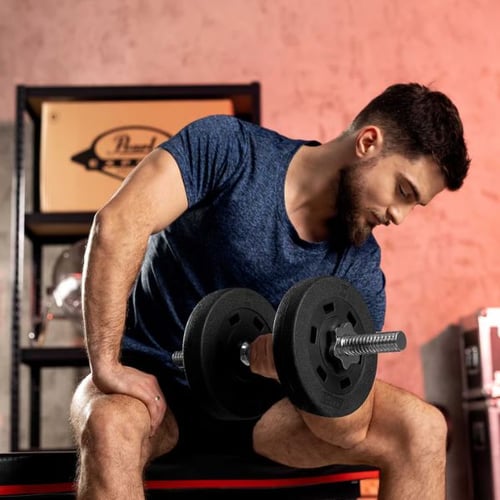
The scale can be misleading during strength training. You might maintain the same weight while losing fat and gaining muscle. This body recomposition creates visible changes even when the scale doesn't move. Progress photos and measurements often tell a better story than weight alone.
Lifting Weights vs Cardio for Fat Burning
The cardio vs weights for weight loss debate has raged for decades. Cardio burns more calories during the actual workout - a 30-minute run might burn 300-400 calories, while a 30-minute lifting session burns 150-250. Does weight lifting burn fat as effectively as cardio? In the long term, yes - often more effectively. Weight training builds muscle that increases your daily calorie burn, while cardio provides immediate expenditure but doesn't significantly increase resting metabolism. People who lift weights while losing fat maintain more muscle, look leaner at the same weight, and have an easier time keeping fat off long-term.
Benefits of Combining Strength and Cardio
You don't have to choose between lifting and cardio - combining both delivers optimal results. Strength training builds muscle and boosts metabolism. Cardio burns immediate calories and improves heart health. Together, they create a comprehensive approach to fat loss that addresses multiple aspects of fitness.
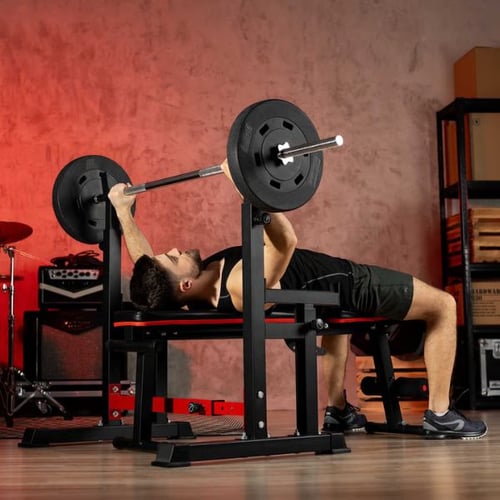
Advantages of combining both training styles:
- Maximizes total daily calorie expenditure
- Builds muscle while burning fat simultaneously
- Improves both strength and cardiovascular endurance
- Provides training variety to prevent boredom
- Addresses different aspects of overall health
How to Balance Both for Best Results
Balancing strength and cardio requires strategic planning. Prioritize weight training when you're fresh - typically 3-4 sessions per week. Add 2-3 cardio sessions on separate days or after lifting. This ensures you can lift with full intensity while still getting cardiovascular benefits.
Keep cardio moderate in intensity and duration. Long, intense cardio sessions can interfere with recovery from strength training. Aim for 20-30 minutes of steady-state cardio or 15-20 minutes of intervals. This provides fat-burning benefits without compromising your ability to train hard with weights.
Explore this topic: Cardio Before or After Weights? How to Order Your Workout for Best Results
How to Lift Weights for Fat Loss
Lifting for fat loss requires a specific approach. Focus on compound movements that engage multiple muscle groups - squats, deadlifts, presses, and rows. These exercises burn more calories and build more muscle than isolation movements. Use our weight sets and dumbbells to perform these essential movements effectively.
Keep rest periods moderate - 60-90 seconds between sets maintains workout intensity while allowing adequate recovery. This sweet spot keeps your heart rate elevated and calorie burn high without sacrificing performance. Circuit training or supersets work well for fat loss, alternating between exercises with minimal rest.

Best Weight Training Exercises for Burning Fat
Compound exercises deliver the most bang for your buck when burning fat. They recruit large muscle groups, demand significant energy, and build functional strength that carries over to daily life. These movements should form the core of any fat loss program.
Top exercises for fat loss through strength training:
- Squats: Full lower body engagement, high calorie burn
- Deadlifts: Total body strength, massive metabolic demand
- Bench press: Upper body power, core stability
- Rows: Back development, postural strength
- Overhead press: Shoulder and core engagement
- Lunges: Single-leg strength, balance, coordination
Kettlebells add variety with dynamic movements like swings and snatches that combine strength and cardio. These ballistic exercises spike heart rate while building power, making them excellent for fat loss training.
Training Frequency and Intensity
For fat loss, aim for 3-5 strength training sessions per week. This frequency provides enough stimulus for muscle maintenance and growth while allowing recovery. Each session should last 45-60 minutes, focusing on quality over quantity.
Intensity matters more than volume for fat loss. Lift challenging weights that allow 8-12 reps per set with good form. This rep range builds muscle effectively while creating metabolic stress. Progressive overload - gradually increasing weight or reps - ensures continued adaptation and fat loss.
Importance of Rest and Recovery
Recovery is when your body builds muscle and burns fat. Without adequate rest, you risk overtraining, injury, and stalled progress. Sleep 7-9 hours nightly to support hormone production and muscle repair. Take at least one full rest day per week from intense training.
Active recovery like walking or light stretching helps without impeding muscle repair. Listen to your body - persistent soreness, fatigue, or decreased performance signal inadequate recovery. Proper rest allows you to train intensely when it matters, maximizing fat loss results.
Nutrition Tips to Support Fat Loss from Weight Training
Training creates the stimulus for fat loss, but nutrition determines whether it actually happens. You must eat in a calorie deficit to lose fat - consuming fewer calories than you burn. However, the deficit shouldn't be extreme. Moderate deficits of 300-500 calories below maintenance preserve muscle while promoting steady fat loss.
Protein intake becomes crucial when lifting weights for fat loss. Aim for 1.6-2.2 grams per kilogram of body weight daily. Protein supports muscle repair, keeps you feeling full, and has a higher thermic effect than carbs or fats - meaning your body burns more calories digesting it.
Essential nutrition principles for fat loss:
- Maintain a moderate calorie deficit (300-500 below maintenance)
- Prioritize protein intake (1.6-2.2g per kg body weight)
- Time carbs around training for energy and recovery
- Stay hydrated - aim for 3-4 liters of water daily
- Track progress and adjust intake as needed
Carbohydrates fuel intense training sessions. Don't eliminate them - instead, focus carb intake around your workouts when your body uses them most efficiently. Fats support hormone production and overall health. A balanced approach to all three macronutrients supports both training performance and fat loss.
Final Thoughts: Does Lifting Weights Burn Fat?
So does lifting weights burn fat? Without question. Strength training burns calories during workouts, increases metabolism through muscle building, and preserves lean tissue during fat loss. When combined with proper nutrition and moderate cardio, weight training becomes one of the most effective tools for sustainable fat loss. Ready to start your fat loss journey? Explore our range of quality equipment at Hop-Sport and build the strength training foundation that drives real, lasting results.
Author: Hop-Sport Team