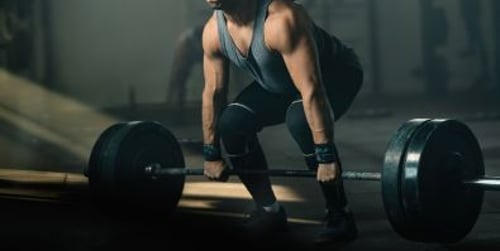
The deadlift is one of the few lifts you can run for years with almost no kit. A bar, some plates, and a patch of solid floor will take you a long way. That keeps the cost low, but it raises a fair question: which bar, how many plates, and do you really need anything under your feet? A home setup is simpler than most people assume, and you can start small and add to it later. For a clear, no-nonsense breakdown of every piece, including the full barbells range, read on!
What you'll learn in this guide:
- The bare minimum deadlift equipment that gets you pulling from day one
- Which barbell suits home training, and when a specialist bar earns its place
- How many weight plates do you need to start and to progress
- Whether floor protection is worth the space and money
- Barbell-free options for tight spaces at home
What do you actually need to deadlift at home?
You need three things to deadlift at home: a barbell, a set of weight plates, and a floor that can take the load. The bar gives you the grip and pulling height, the plates add the weight, and the floor protects your home and dampens noise. Get those three right, and you have a working station.
Everything else is a nice-to-have. A simple bar-and-plate combo covers the lift completely, so extras like a platform, chalk, or lifting straps can wait until your numbers grow. That's why deadlifts suit compact home gyms.
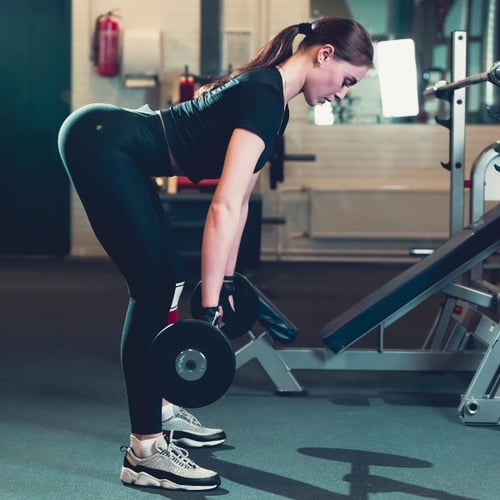
Which barbell is best for deadlifts?
For most home lifters, a standard Olympic barbell is the best all-around choice for deadlifts. It spins under load, fits the plates you're likely to buy, and handles pressing and rowing too. The right barbell matters more than any other piece of deadlift equipment at home, and the olympic barbells range covers most of what a home lifter needs.
Olympic bars vs standard bars
Olympic bars use thicker sleeves that rotate, protecting your wrists on heavier pulls. Standard bars have no sleeve rotation, so they suit lighter loads and tighter budgets. For deadlifts you plan to build over time, an Olympic bar is the safer pick. At Hop-Sport, we see plenty of beginners start on a standard bar and move up once the loads climb.
Why a dedicated deadlift bar can help
A dedicated Olympic Steel Deadlift Bar has a longer, more flexible shaft that bends slightly before the plates leave the floor. That flex – often called bar whip – lets you build tension and shift heavier loads. It's a specialist tool for experienced lifters chasing bigger numbers, not a must-have for your first year.
How many weight plates do you need?
Start with enough plates to load the bar to a weight you can pull for sets of five, then add more as you get stronger. A pair of larger plates plus a few smaller ones covers most beginners well – those small increments are what keeps progress steady over time.
Building your plate collection
A practical plate selection for home deadlifts looks like this:
- Two larger plates to set the bar at the correct pulling height
- A pair of mid-weight plates for bigger jumps as you progress
- Several small plates for the gradual increases that drive long-term gains
- A spare set of the smallest size so you're never stuck
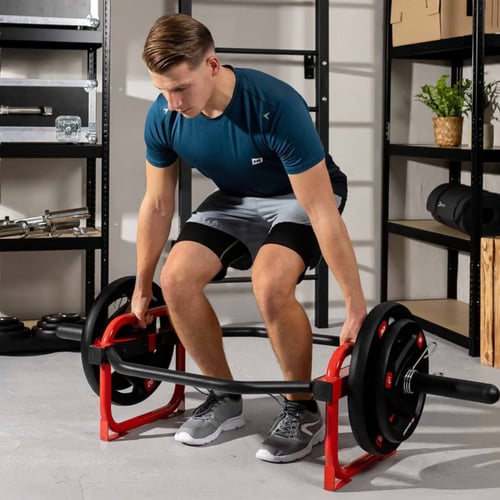
Buying a mix of sizes from the start saves you from topping up every few weeks as your lifts go up. Browse individual sizes and matched bundles in the weight plates range and build a spread that suits your training. The right selection now means fewer gaps.
Do you need a platform or floor protection?
You don't strictly need a platform, but some form of floor protection is strongly recommended. Dropping a loaded bar onto a bare floor can crack tiles, dent floorboards, and shake the whole house. A platform or thick rubber mats absorb the impact and give you a level base to pull from.
Floor protection earns its place for a few clear reasons:
- Protects your flooring from dropped or lowered loads
- Cuts the noise that travels through walls and ceilings
- Gives a stable base so the bar doesn't roll or shift mid-set
If you train in a flat or share walls with neighbours, floor protection is the upgrade to prioritise. Rubber mats are the cheapest, most flexible option, and you can add squares as your space grows. A full platform is worth it later when you're pulling heavy.
Can you deadlift without a full barbell setup?
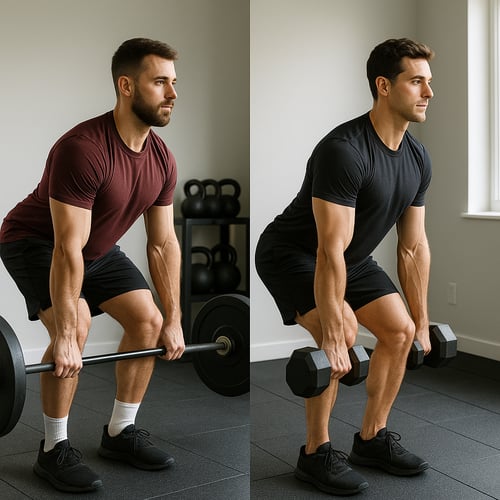
You can absolutely train the same hip-hinge pattern without a barbell, using dumbbells, kettlebells, or just bodyweight. These options won't load as heavy as a bar, but they work well in tight spaces. They're also a smart way to build technique before you invest in a full setup.
Three barbell-free starting points:
- Bodyweight Romanian hinge – teaches the pattern with no kit
- Dumbbell deadlifts – hold one in each hand for a loaded pull
- Kettlebell sumo pulls – grip the handle with both hands, feet wide
Romanian deadlift at home without equipment
The romanian deadlift trains your hamstrings and glutes through a hinge with soft knees. Stand tall, push your hips back, and lower your hands down your legs while keeping your back flat. Pause at the bottom when you feel the hamstrings load, then drive through the hips to stand. A romanian deadlift at home without equipment still teaches the hinge that every loaded pull depends on.
Dumbbell and kettlebell variations
A pair of dumbbells turns a bodyweight hinge into a loaded exercise – hold one in each hand for romanian deadlifts or sumo pulls. A single kettlebell works just as well and takes up far less space. Quick tip: one heavy kettlebell goes a surprisingly long way for hinge work before you need a barbell.
Setting up your home deadlift station
Your home deadlift equipment needs three things: a solid bar, a sensible spread of plates, and a floor that handles the load. Start with an Olympic bar and a mix of plate sizes, add rubber matting, and reach for a platform or specialist bar only once your numbers justify it. Browse our weight sets for a matched bar and plates straight out of the box.
FAQ: Most common questions about deadlift equipment
What is the minimum deadlift equipment for home?
The minimum deadlift home equipment is a barbell, a set of weight plates, and some floor protection such as rubber mats. That combination lets you pull safely without damaging your home or disturbing the neighbours.
Is a special deadlift bar worth it?
A dedicated deadlift bar is worth it once you're lifting heavy and want the extra whip to move bigger loads. For your first year, a standard Olympic bar does the job perfectly well.
Can I deadlift on a carpeted floor?
You can deadlift on carpet, though it's best to lay rubber mats over it for a stable, level surface. Carpet alone shifts under the bar and won't protect the floor from heavy loads.
How much weight should a beginner start with?
A beginner should start with a load they can lift for sets of five with clean technique, leaving a couple of reps in reserve. Adding a little weight each week beats going heavy too soon.
Author: Hop-Sport Team