Turn your hands one way, and a row hammers your back. Turn them the other way, and the same movement shifts the work to your biceps. That small flip of the wrist changes which muscles lift, how much you can pull, and how your elbows feel the next morning, yet the wrong hand position can quietly stall a lift for months. Get to grips with each hold, whether you train with dumbbells or a full barbell setup, and you will programme your sessions far more sensibly. Let's break it down!
Key points from this guide:
- Pronated grip means palms facing down or towards you, the standard overhand hold
- Supinated grip means palms facing up or away from you, the underhand hold
- Pronated vs supinated grip changes, which muscles lead, and how much you can lift
- Pulling and pressing each favour a different hand position for safety and strength
- A mixed grip solves the bar-slip problem on heavy deadlifts
What is a pronated grip?
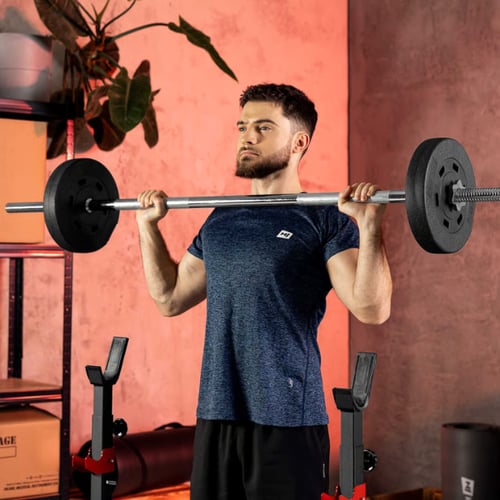
A pronated grip is the overhand hold where your palms face down or towards your body. It is the default for most pulling and pushing work, from rows to bench press, with the forearms turned in and the back leading. The trade-off is that on heavy pulls your grip often fails before the target muscle does.
What is a supinated grip?
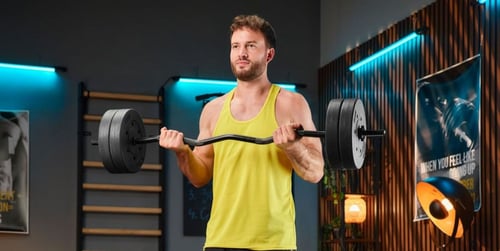
A supinated grip is the underhand hold where your palms face up or away from your body. Flip from overhand, and you have it: forearms rotate out, biceps come into play – which is why chin-ups feel different from pull-ups.
The underhand position is the foundation for every curl too. The underhand position usually lets you lift a touch more on pulls, since the biceps assist. The catch is it loads the wrists and biceps tendon harder, so switching to neutral is often the easier fix than pushing through discomfort.
Pronated vs supinated: What's the real difference?
The pronated vs supinated grip question comes down to which way your palms point and what that does to the muscles under load. An overhand hold favours the back and rear shoulders; an underhand hold pulls the biceps in and often feels stronger, as the table sums up. Neither hold wins in a vacuum – match the grip to the lift.
Grip | How it works | Best for |
Pronated (overhand) | Palms face down or towards you; forearms turn in; back and rear shoulders lead | Rows, pull-ups, presses, lat work |
Supinated (underhand) | Palms face up or away; forearms turn out; biceps assist heavily | Chin-ups, curls, underhand rows |
Mixed (one of each) | One palm up, one palm down; stops the bar rolling out of the hands | Heavy deadlifts at the limit |
When should you use each grip?
The simplest rule is to let the exercise decide. Pulling moves split between the two holds, pressing and curling each have an obvious home, and matching grip to exercise means the right muscles carry the load every time.
Pulling exercises (rows, pull-ups, deadlifts)
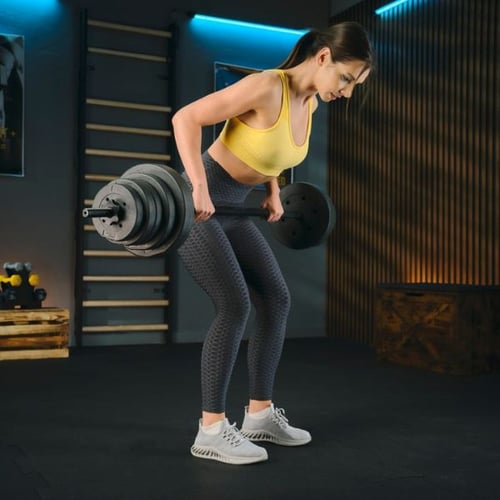
For most pulling work, the overhand hold puts the lats and upper back in charge – standard for barbell rows, lat pulldowns, and pull-ups. Switch to underhand for chin-ups or underhand rows, and the biceps take a bigger share.
These pulls respond well to a deliberate grip choice:
- Barbell rows favour an overhand hold for back thickness
- Chin-ups use an underhand hold and recruit the biceps hard
- Lat pulldowns work either way, so alternate the angles
- Deadlifts start double overhand, then switch once heavy
Rotating between overhand and underhand keeps each grip pattern getting regular work.
Pressing and curling movements
Pressing almost always uses an overhand hold, since that is how a bar sits over the chest or shoulders. Curling flips the logic: an underhand hold puts the biceps in their strongest position for arm size. A neutral hold, palms facing each other, eases the wrists when either extreme bothers a joint – and neutral grip dumbbell variations give similar arm work with less elbow stress.
What about a mixed (alternating) grip?
A mixed grip puts one palm up and one palm down on the same bar, and it exists almost entirely for heavy deadlifts. As the load nears your limit, a double overhand hold slips; turning one hand under stops the bar rolling, so many lifters first reach for it on an olympic barbell loaded for a top set.
Keep these points in mind:
- Swap sides set to set so one biceps never takes all the strain
- Save it for your heaviest pulls, not every working set
- Brace properly since the underhand side loads the biceps harder
Used sparingly, the mixed grip reliably pushes a deadlift past a sticking point. Quick tip: alternate which hand goes underhand each set so the asymmetric load is shared evenly – both shoulders stay balanced over time.
How does your bar affect your grip?
The bar shapes how secure any grip feels before you even think about hand position. The knurling – that crosshatched texture cut into the steel – stops a loaded bar from sliding through sweaty palms, and sharper knurling bites harder while a smooth bar makes your fingers work overtime. Thickness matters too, since a thicker bar is harder to wrap your fingers around. The weight plates you load change the feel further. At Hop-Sport, we find that pairing a well-textured bar with the right hand position keeps a heavy lift controlled.
A few bar details worth checking before you buy:
- Knurling depth for how well the bar holds under load
- Bar thickness since wider bars are harder to wrap
- Straight or EZ shape for whichever your wrists prefer
- Shaft finish, as chrome and bare steel grip differently
- Sleeve spin to reduce wrist torque on curls
- Knurling position, as centre knurling affects comfort on back squats
Getting the bar right means your grip works with the equipment rather than against it.
Picking the right grip for each lift
The honest answer is that you need both. Reach for overhand on rows, pull-ups, and presses; switch to underhand for chin-ups and curls; save the mixed grip for deadlifts that tax your hold. If you are kitting out a home gym, our weight sets bundle a bar and matched plates, so you can train both holds from day one.
FAQ: Most common questions about grip
Is a pronated or supinated grip stronger?
A supinated grip usually lets you lift slightly more on pulls, since the biceps assist. The difference is small, so the choice comes down to which muscles you want to train.
Does grip choice change which muscles I work?
Grip choice does shift the emphasis, with an overhand hold favouring the back and an underhand hold pulling the biceps in. The bar path stays similar, but the muscles sharing the load change with your palms.
Which grip is safer for my elbows?
A neutral grip, palms facing each other, is generally the kindest on elbows and wrists. If a supinated hold aggravates your joints, switching to neutral often settles things without dropping the weight.
Author: Hop-Sport Team