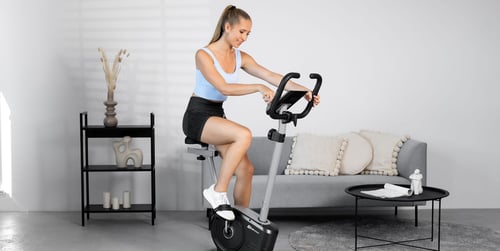
Losing weight requires burning more calories than you consume, and cardio exercise speeds up the process significantly. But not all cardio burns fat at the same rate. Some workouts torch calories faster, while others protect your joints and fit better into busy schedules. The key is finding what works for your body, your lifestyle, and your goals. From elliptical cross trainers to cycling machines, the right equipment makes all the difference. Ready to discover which cardio methods deliver the fastest weight loss results? Let's break down the most effective options!
Why Cardio Works for Weight Loss
Cardio exercise elevates your heart rate, forcing your body to burn energy to fuel the activity. When you burn more calories than you eat consistently, weight loss happens. The best cardio for weight loss combines high calorie burn with sustainability, meaning it can be done regularly without burning out or causing injury.
Different cardio exercises burn calories at different rates. Intensity, duration, and body weight all affect how much energy gets expended. Higher intensity typically means more calories burned per minute, but lower intensity workouts can be sustained longer, potentially burning more total calories.
Elliptical Cross Trainers - Full-Body Fat Burning
Elliptical cross trainers stand out as one of the best cardio exercises for weight loss because they work your entire body while protecting your joints. Your feet never leave the pedals, eliminating the impact stress that running creates. Yet you still burn 270-400 calories in 30 minutes depending on your weight and effort level.
The moving handles engage your upper body - chest, back, shoulders, and arms - while your legs drive the pedaling motion. This full-body engagement increases total calorie burn compared to lower-body-only exercises. At Hop-Sport, our Focus cross trainer comes equipped with a multifunctional training computer that tracks time, distance, speed, calories burned, and pulse, giving you complete control over workouts.
Why elliptical trainers excel for fat loss:
- Low-impact motion protects knees, hips, and ankles
- Full-body engagement increases calorie expenditure
- Adjustable resistance allows progressive intensity increases
- Built-in computer tracks calories and monitors heart rate through touch pulse sensors
- Quiet operation suits home training environments
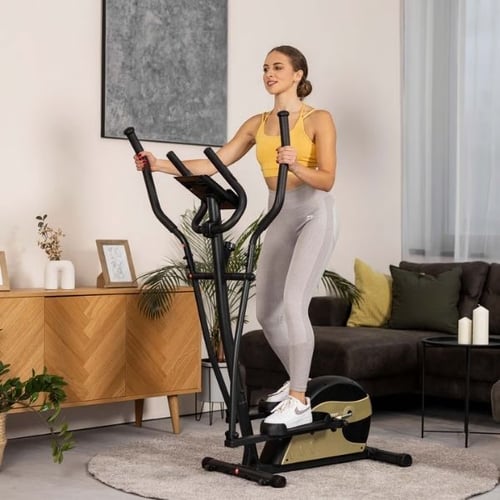
Heart rate monitoring through the touch pulse sensors helps you stay in the optimal fat-burning zone. Training too hard can lead to overtraining, while training too easy won't deliver results. The computer's target-setting function lets you enter goals for time, distance, or calories, then alerts you when targets are reached.
Exercise Bikes - Consistent Cardio That Fits Any Schedule
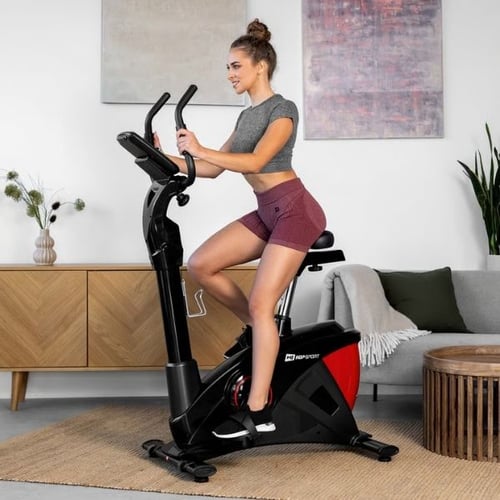
Exercise bikes provide reliable, effective cardio that works for virtually anyone. They're gentle on joints, easy to use, and deliver serious calorie burn when you push the intensity. A stationary bike allows you to train consistently regardless of weather, making it one of the best cardio for fat loss options.
Modern exercise bikes for home are designed for comfort, performance, and ease of use. Whether you're a beginner just starting out or an experienced athlete, the bike adapts to your level through adjustable resistance. The controlled, seated position reduces injury risk while still allowing you to work hard enough to burn significant calories.
Exercise bike benefits for weight loss:
- Low-impact cardiovascular training protects joints
- Effective calorie burning supports fat loss goals
- Adjustable resistance suits all fitness levels
- Quiet operation for home environments
- Safe, controlled movement reduces injury risk
We stock three main types to suit different preferences. Upright exercise bikes offer a traditional cycling position, great for cardiovascular fitness and toning your lower body. Recumbent exercise bikes feature supportive seats with backrests, reducing pressure on your lower back - ideal for longer rides or enhanced comfort. For smaller spaces, compact or folding models deliver effective workouts while being easy to move and store.
High-Intensity Interval Training - Maximum Burn in Minimum Time
HIIT involves alternating between short bursts of maximum effort and brief recovery periods. This training style burns more calories per minute than steady-state cardio and creates an "afterburn effect" - your metabolism stays elevated for hours after you finish.
HIIT can be applied to almost any cardio exercise. On an elliptical or bike, sprint hard for 30 seconds, then recover at a gentle pace for 60 seconds. Repeat this cycle 8-10 times for a complete workout in just 15-20 minutes.
HIIT isn't suitable for every day due to the high intensity requiring adequate recovery. Most people benefit from 2-3 HIIT sessions per week, combined with moderate-intensity cardio on other days.
Tracking Your Progress with Built-In Technology
Modern cardio equipment makes monitoring your workouts easier than ever. Built-in computers track essential metrics like time, distance, speed, and calories burned, giving you real data to measure improvement.
Heart rate sensors provide immediate feedback on training intensity. This helps you stay in target zones for fat burning or cardiovascular conditioning. Setting specific goals through the computer's target function keeps motivation high and ensures consistent progress.
Common Cardio Mistakes to Avoid
Starting too intense too quickly leads to burnout and potential injury. Begin with manageable sessions and gradually increase duration or intensity as fitness improves.
Neglecting variety causes plateaus and boredom. Mix different cardio types, alternate between steady-state and intervals, and adjust resistance levels regularly to keep your body adapting and results coming.
Steady-State Cardio - Building Endurance for Fat Loss
Steady-state cardio means maintaining a moderate, consistent pace for 30-60 minutes. This approach burns fewer calories per minute than HIIT but allows longer duration, potentially burning more total calories per session. It's also easier to recover from, enabling more frequent training.
Steady-state cardio on an elliptical or exercise bike works exceptionally well for weight loss. You can maintain conversation pace while still burning calories effectively. This makes it sustainable long-term, which matters more than any single workout's intensity.
At moderate intensities, your body burns a higher percentage of calories from fat stores compared to intense exercise. Both HIIT and steady-state work for fat loss, but steady-state offers specific advantages for building your base fitness and maintaining consistency.
Adding Strength Training to Accelerate Fat Loss
While cardio burns calories during the workout, strength training builds muscle that burns calories 24/7. Muscle tissue requires more energy to maintain than fat tissue, so increasing your muscle mass raises your resting metabolic rate.
The ideal approach combines cardio and strength training. Use cardio to create immediate calorie deficit and improve cardiovascular health. Add strength training 2-3 times per week to build metabolism-boosting muscle. This combination delivers faster, more sustainable results than cardio alone.
How Much Cardio Do You Need for Weight Loss?
The amount of cardio needed varies based on your diet, fitness level, and goals. General guidelines suggest 150-300 minutes of moderate-intensity cardio per week for health and weight management. For faster fat loss, aim for the higher end or include high-intensity sessions.
Building Your Weekly Cardio Routine
Creating a structured approach helps maintain consistency and track progress effectively:
- Start with 30-60 minutes of cardio 5-6 days per week
- Mix intensity levels - some days push hard with intervals, other days maintain steady pace
- Track your workouts using equipment computers to monitor progress
- Combine cardio with smart nutrition - eating slightly fewer calories than you burn
- Gradually increase duration, frequency, or intensity as fitness improves
Remember that exercise alone rarely creates enough calorie deficit for significant weight loss. Combining your cardio routine with proper nutrition produces the best results.
Your Cardio Plan for Maximum Fat Loss
The best cardio exercise for weight loss is the one that gets done consistently. Elliptical trainers offer full-body, low-impact workouts with excellent calorie burn, while exercise bikes provide reliable, joint-friendly cardio. Start with 20-30 minutes of moderate-intensity cardio 3-4 times per week, gradually increasing as fitness improves. At Hop-Sport, we design our cardio equipment with built-in tracking features to help measure real progress throughout the fat loss journey. Ready to start? Explore our range and find the perfect cardio solution.
Explore these topics:
Author: Hop-Sport Team