Home Workout
Best Hop-Sport Home Workout Equipment 2026
Staying active doesn't have to mean pounding pavements or braving the gym. With an elliptical cross trainer at home, you can enjoy smooth, low-impact cardio sessions that strengthen your entire body without putting strain on your joints. Whether you're aiming to improve fitness, shed weight, or simply stay mobile, cross trainers offer a versatile, joint-friendly solution for all ages and fitness levels.
Thanks to their fluid, gliding motion, elliptical machines provide a natural workout experience that mimics walking or running, minus the harsh impact. They're ideal for busy lifestyles too, combining the benefits of multiple machines into one compact unit. From light morning sessions to intense calorie-burning workouts, a cross trainer machine adapts to your needs, right in the comfort of your home.
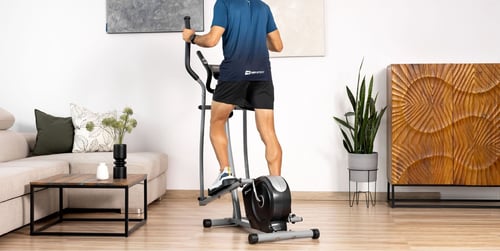
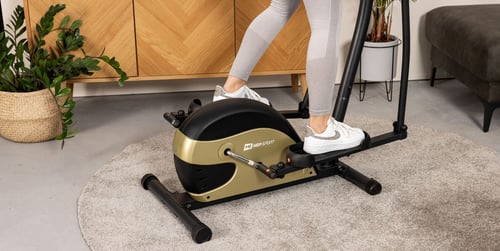
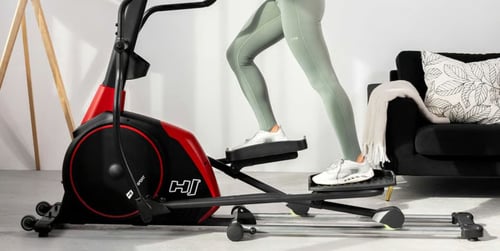
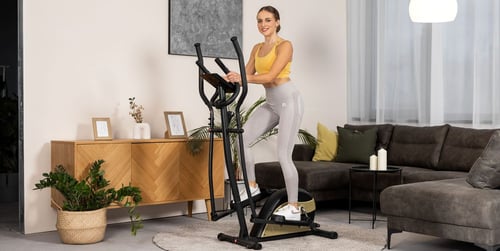
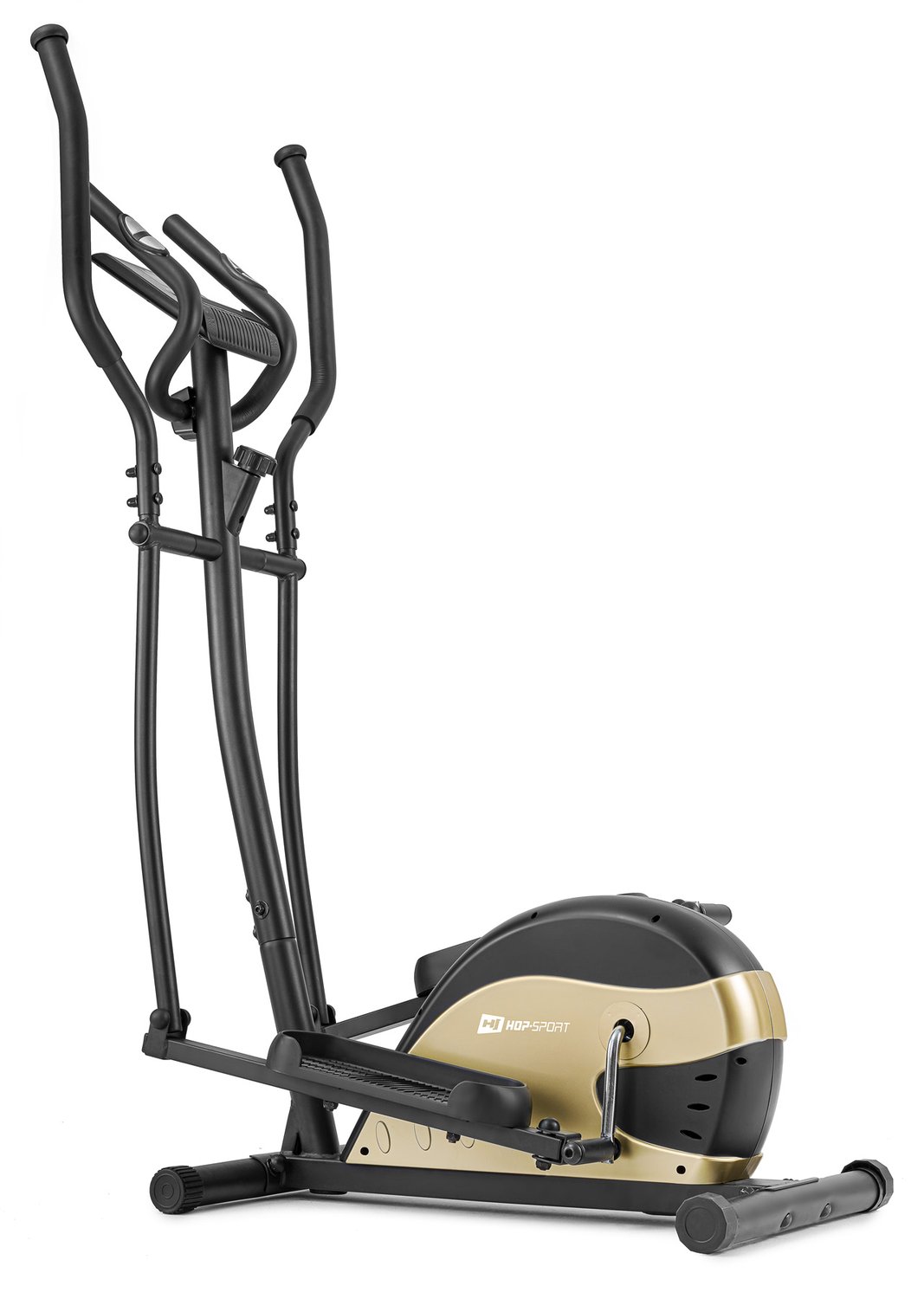
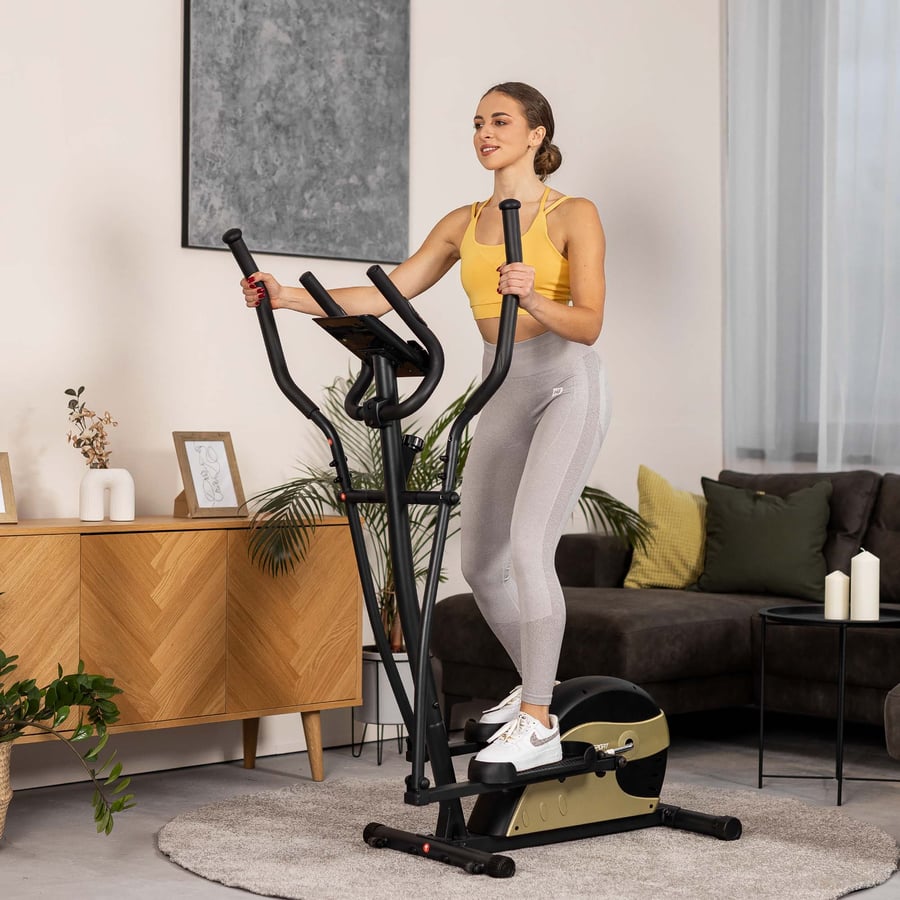
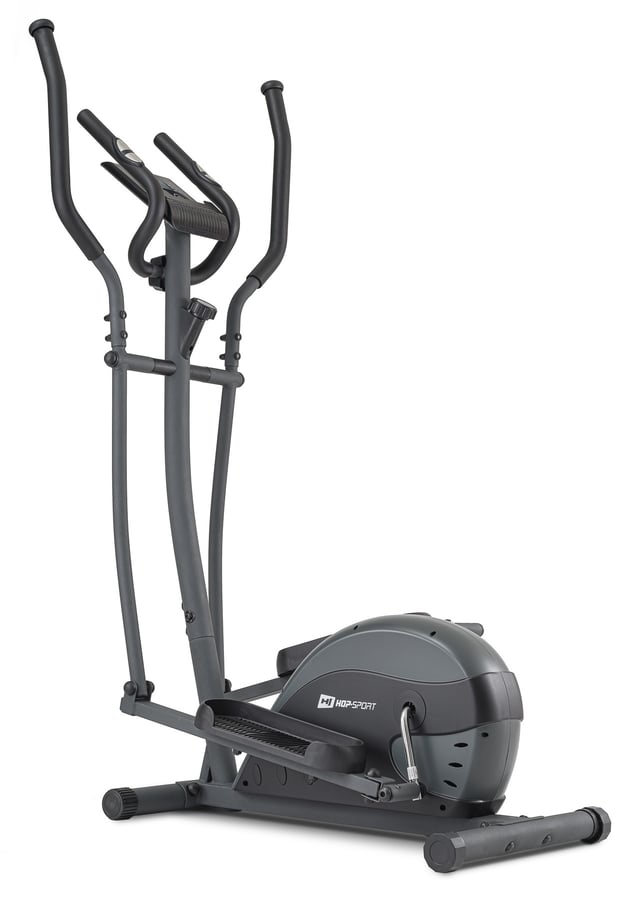
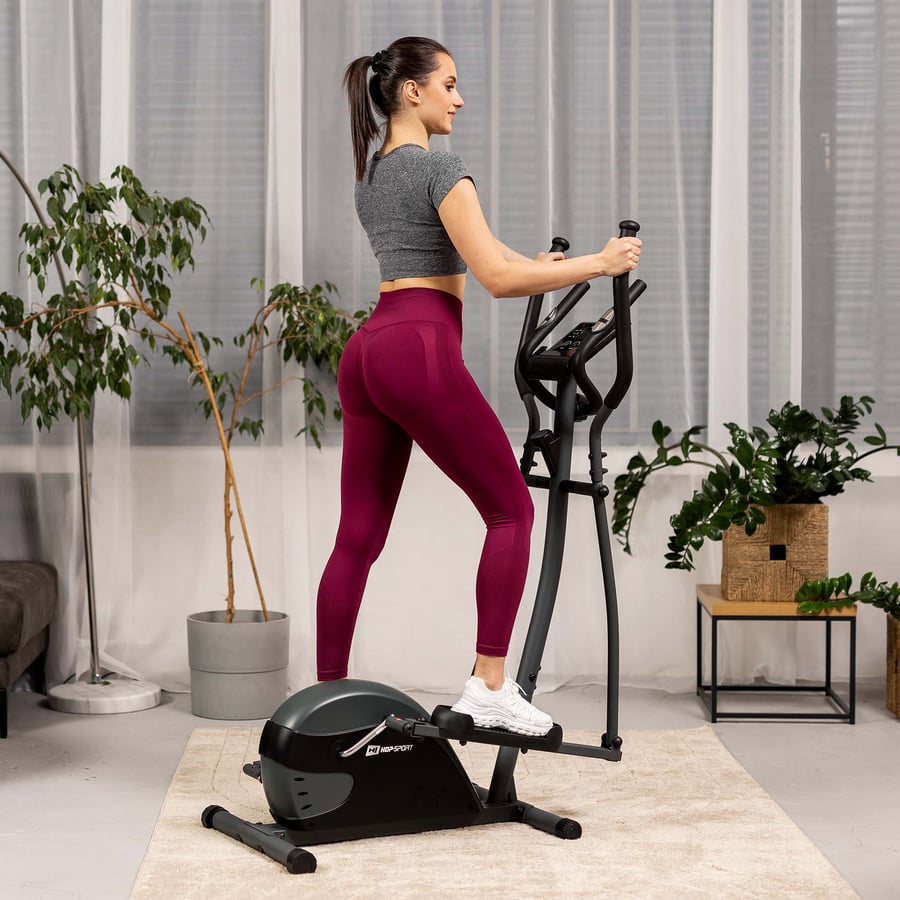
A cross trainer, also known as an elliptical trainer, is a stationary cardio machine that offers a full-body workout. Its pedals follow an elliptical path, which reduces pressure on joints while engaging your legs, arms, and core. With coordinated handle movements and resistance control, you can tone muscles, boost endurance, and track progress, all in a single session.
Elliptical cross trainers are suitable for a wide range of users, from complete beginners to experienced athletes. Because the motion is continuous and low-impact, they place minimal stress on the ankles, knees, and hips, making them particularly well-suited to those returning from injury, older adults, or anyone managing joint conditions. Despite being gentle on the body, the workout they deliver is anything but easy. The combination of upper and lower body movement ensures your heart rate climbs and your muscles are consistently challenged.
When choosing an elliptical trainer, look for a magnetic resistance system for smooth, silent operation. A clear multifunctional display will help you monitor time, distance, speed, calories, and heart rate. Built-in pulse sensors allow you to keep track of your intensity, while non-slip foot platforms ensure stability during each stride. Adjustable resistance settings let you tailor your workout to match your goals.
Magnetic resistance is widely considered the gold standard for home elliptical machines. It operates silently, requires minimal maintenance, and provides consistently smooth transitions between resistance levels, all important factors for a cross trainer used in a home environment.
A quality console displays key metrics including speed, time, distance, calories burned, and heart rate. More advanced models offer preset workout programs, custom interval settings, and compatibility with fitness apps, giving you greater control and variety in your training.
Look for machines with non-slip, cushioned foot platforms, ergonomically angled handlebars, and a stable base frame. These features contribute to a comfortable, injury-free workout experience and are especially essential for users who plan to train frequently or for extended durations.
For added convenience, some models come with a tablet holder, a separate phone holder and integrated transport wheels, making them easier to move and store when not in use. A built-in heart rate monitor can also help you keep track of workout intensity, although readings from handlebar sensors should be treated as estimates.
There’s a wide range of elliptical cross trainers to suit different needs, preferences, and training styles. Understanding the differences helps you make the right choice for your fitness goals:
Whether you want a compact model for occasional use or a robust trainer for daily sessions, there’s a type of cross trainer that fits your routine.
Training on an elliptical machine can provide a full body workout while producing less joint impact than running. It's ideal for rehabilitation and long-term fitness routines, as the smooth motion reduces impact on knees and hips. You'll engage your arms, legs, core, and glutes all at once, helping you tone and strengthen your entire body. With adjustable resistance levels, you can tailor each session to suit your ability, whether you're just starting out or building stamina.
One of the most significant advantages of elliptical cross trainers is their suitability across all fitness levels. The adjustable resistance and stride make it easy to scale intensity up or down, meaning a single machine can serve a household of users with different abilities and goals.
The calorie burn on a cross trainer is efficient, making it a smart choice for weight loss and fat reduction. Because both the upper and lower body are engaged simultaneously, energy expenditure is higher than on machines that focus solely on the legs. This makes the elliptical machine one of the most time-efficient cardio options available for home use.
A regular cross trainer workout can support weight loss by increasing energy expenditure and helping you stay physically active. The main benefits of cross trainer exercise include adjustable intensity, simultaneous upper and lower body movement and the ability to complete longer cardio sessions with less impact than running.
For the best results, combine consistent training with a balanced diet and an appropriate calorie deficit. The number of calories burned will depend on resistance, pace, workout duration, body weight and individual fitness level.
As a cardio-focused workout, regular use supports heart health and builds endurance without the wear and tear of high-impact exercise. Over time, consistent elliptical training improves cardiovascular capacity, increases muscular endurance in the legs, glutes, and arms, and supports healthy weight management.
Unlike high-impact activities that can accumulate stress on joints over months and years, elliptical training is sustainable in the long term. Many users find it becomes a cornerstone of their routine precisely because it delivers results without the recovery demands of running or step training.
Compared to treadmills, elliptical cross trainers offer a gentler, more joint-friendly workout. The movement is fluid and low-impact, reducing strain on your knees and hips. While a stationary bike primarily targets your lower body, a cross trainer engages both upper and lower muscle groups, delivering a more comprehensive workout.
Exercise bikes provide an efficient seated workout suitable for users who prefer a stable, low-impact option, but they do not offer the full-body engagement of a cross trainer. Against a stepper, cross trainers provide a greater range of motion and include upper body resistance, enhancing calorie burn and muscle activation across more areas of the body.
The treadmill remains one of the most popular home cardio machines, but it comes with a significant drawback: impact. Every footfall on a treadmill sends a degree of force through your ankles, knees, and hips. An elliptical cross trainer eliminates this entirely. For users who want to achieve similar cardiovascular results while protecting their joints, the elliptical machine is frequently the better long-term option.
The exercise bike excels in lower-body conditioning and is an excellent seated option for those with balance concerns or upper body limitations. However, a cross trainer for home use offers broader muscle engagement, making it more effective for those who want a single machine that works the whole body in one session.
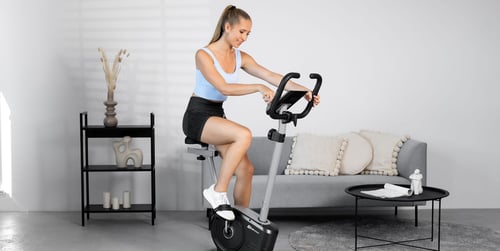
Although some shoppers use the term cross trainer bike, an elliptical trainer and an exercise bike are different machines. An exercise bike provides a seated lower body workout that primarily engages the legs and glutes. A cross trainer uses an upright movement and, when the moving handles are actively pushed and pulled, can involve both the upper and lower body.
Finding the right cross trainer depends on your fitness goals, available space, and personal preferences. If you're focused on weight loss or cardiovascular improvement, look for a model with high resistance levels and tracking capabilities. For home gyms, compact or foldable models are best, especially if space is limited. Always check the maximum user weight and stride length to ensure it suits everyone in your household. If you plan to train regularly, a machine with varied programs and long-term durability is essential.
If you intend to use your elliptical cross trainer every day, investing in a mid-range or premium model pays dividends over time. Entry-level machines are well-suited to occasional use but may not withstand daily high-intensity sessions as effectively as more robustly engineered options.
A cross trainer for home use often serves multiple members of a household. In this case, prioritize machines with adjustable stride length, a broad resistance range, and a high weight capacity to accommodate different users comfortably.
Elliptical cross trainers are available at a wide range of price points. Define what features matter most to you, whether that's a smooth ride, built-in programs, connectivity, or compact dimensions, and find the best machine within your budget that delivers on those priorities. If floor space is limited, a compact cross trainer may be the most practical option.
The cost of a cross trainer machine depends on several factors, including the build quality, resistance system, available features, and overall design. Basic models are more affordable and typically offer essential functions suitable for casual users or beginners. As you move up in range, you'll find machines with smoother resistance mechanisms, integrated workout programs, heart rate monitoring, and sturdier construction, ideal for more frequent or intense training.
Professional-level elliptical machines come with high-grade materials, advanced tracking technology, and noise-reducing features. These are designed for long-term use and offer a gym-quality experience at home, making them a smart investment for serious fitness enthusiasts.