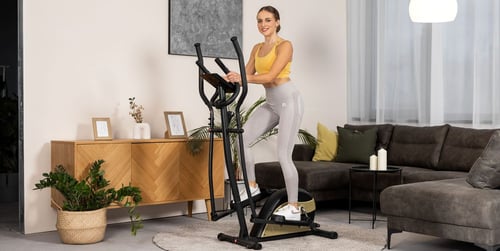
Cross trainers pack a serious punch when it comes to full-body workouts - all without beating up your joints. Whether this machine deserves a spot in your routine depends on what you want to achieve. From torching calories to protecting your knees while building endurance, the elliptical offers something few other machines can match. Ready to discover why elliptical cross trainers have taken over gyms and homes everywhere? Let's dive in!
What Is the Elliptical Good For?
The elliptical shines at delivering low-impact cardio that works the entire body. Your feet never leave the pedals, which means joints stay protected while heart rate climbs. This makes the machine perfect for anyone recovering from injury, dealing with joint issues, or simply wanting effective cardio without the pounding.
Beyond cardio, ellipticals build muscular endurance throughout your legs, glutes, and when you use the handles, your upper body too. The smooth gliding motion lets you control intensity through resistance and incline adjustments.
Does the Elliptical Burn Fat?
Yes, the elliptical burns fat effectively when you pair it with smart nutrition and consistent training. Fat loss happens through a calorie deficit over time - burning more calories than you consume. A 30-minute cross trainer workout can burn anywhere from 270 to 400 calories depending on your weight, intensity, and resistance settings.
How ellipticals support fat burning:
- Sustaining effort over longer periods without joint stress
- Allowing harder, more frequent training compared to high-impact activities
- Creating afterburn effect through high-intensity intervals
- Keeping metabolism elevated after workouts finish

Factors that maximize fat burning:
- Increasing resistance to engage more muscle fibers
- Adding intervals to spike calorie burn and metabolism
- Training consistently 3-5 times weekly
- Combining cardio with strength training
- Maintaining proper nutrition to support calorie deficit
What Areas Does the Elliptical Target?
The elliptical hits multiple muscle groups at once, making it efficient for full-body conditioning. Your quads, hamstrings, glutes, and calves all work during pedaling. When you adjust the incline higher, you'll feel more activation in your glutes and hamstrings. Lower incline emphasizes your quadriceps.
Moving handles engage your chest, back, shoulders, biceps, and triceps when you push and pull actively. Your core also activates to stabilize your body. By pedaling in reverse, you can shift emphasis to different muscle groups.
Lower Body Muscle Activation
- Quadriceps power the forward pushing motion
- Hamstrings activate during pulling phase
- Glutes engage strongly with increased incline
- Calves stabilize throughout the stride
Upper Body and Core Engagement
- Chest muscles engage when pushing handles forward
- Back muscles activate when pulling handles
- Core muscles maintain posture and balance
Key Benefits of Using a Cross Trainer
Cross trainers deliver advantages that make them valuable for various fitness goals. From beginners to experienced athletes, the elliptical provides options supporting different training styles and objectives.
Burns Calories Efficiently for Weight Loss
The benefits of cross trainer workouts include serious calorie expenditure in short sessions. Depending on your effort and body weight, you can burn 270-400 calories in just 30 minutes. This makes the elliptical an efficient tool for creating the calorie deficit needed for weight loss.
The machine lets you sustain high effort levels longer than many other cardio options. Duration or intensity can increase without the joint pain that might limit other activities. At Hop-Sport, our customers regularly use ellipticals as their primary cardio tool for fat loss, combining it with strength training for complete body transformation.
Protects Your Joints While Building Fitness
One of the most valuable aspects of cross trainer benefits is low-impact exercise protecting your joints. Your feet glide through the motion without lifting off the pedals, eliminating the repetitive pounding your knees, hips, and ankles endure during running.
This makes ellipticals especially beneficial if you have arthritis, previous injuries, or joint sensitivity. Research shows elliptical training causes less long-term joint degeneration compared to running, cycling, and swimming. You can build fitness without risking injury.
Improves Cardiovascular Endurance and Stamina
Regular elliptical workouts strengthen your heart and lungs, improving your aerobic capacity over time. As your cardiovascular system becomes more efficient, you'll notice better stamina in daily activities and other forms of exercise.
The elliptical allows both steady-state cardio sessions and high-intensity interval training. Steady sessions build your base endurance, while intervals push your fitness to higher levels. This versatility means you can progress continuously without plateauing or needing different equipment.
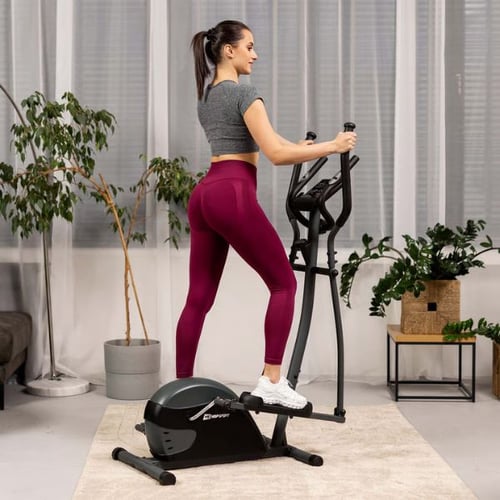
Additional benefits of regular training:
- Works upper and lower body simultaneously
- Adjustable resistance and incline for progressive challenge
- Burns body fat when combined with proper nutrition
- Improves balance and core stability
- Easy to learn and use safely
Beyond Fitness: What Else Is a Cross Trainer Good For?
Cross trainers serve purposes beyond basic fitness improvements. They're excellent for injury rehabilitation when cleared by a healthcare professional. The low-impact nature allows maintaining cardiovascular fitness while recovering from injuries.
Recovery and Rehabilitation Applications
- Post-surgery conditioning when cleared by medical professionals
- Active recovery days between intense training sessions
- Maintaining fitness during injury without aggravation
Time-Efficient Training
- Meaningful cardiovascular benefits in 20-30 minutes
- Fits busy schedules effectively
- Builds base fitness before higher-impact activities
How to Use a Cross Trainer Properly
Proper form maximizes benefits and prevents discomfort. Stand upright with your core engaged, avoiding leaning heavily on the handles. Distribute your weight evenly and maintain a natural stride length.
When you use the handles, push and pull with your arms in rhythm with your leg movement. If you want to focus more on legs and core, you can release the handles - just ensure resistance is set appropriately for safety.
Start with moderate resistance and gradually increase as you adapt. Your feet should stay flat on the pedals. Adjust stride length and incline to find positions that feel natural.
Is 30 Minutes on the Elliptical Every Day Enough?
Thirty minutes of elliptical training daily provides substantial health and fitness benefits for most people. This duration meets general cardiovascular exercise recommendations and burns enough calories to support weight management when combined with proper nutrition.
Balancing Frequency and Intensity
Whether it's "enough" depends on your specific goals. For general health maintenance and moderate fat loss, 30 minutes daily works well. If you're training for performance or significant body composition changes, you might benefit from longer sessions, higher intensity, or combining elliptical work with strength training.
Listen to your body and allow rest days as needed. Most people achieve better results with 4-6 days per week of quality training rather than daily sessions that become routine and lose intensity.
Can You Train for a 5K Using an Elliptical?
You can build cardiovascular fitness for a 5K using an elliptical, though it won't perfectly replicate running mechanics. The elliptical develops your aerobic capacity, leg endurance, and cardiovascular efficiency - all crucial for distance running.
Building Running-Specific Endurance
- Mimic running intervals with high-intensity bursts
- Use incline strategically to simulate hills
- Monitor heart rate zones
- Include tempo sessions at sustained pace
For optimal 5K preparation, combining elliptical training with some actual running works best. Use the elliptical for recovery runs, cross-training days, or when you need lower-impact options. Structure your elliptical sessions to mimic running workouts - include intervals, tempo efforts, and longer steady-state sessions to develop different energy systems.
Why Cross Trainers Deserve Space in Your Training
The benefits of cross trainer workouts make them valuable for almost any fitness routine. They deliver effective cardiovascular exercise, burn calories efficiently, protect your joints, and adapt to various fitness levels and goals. Whether you're recovering from injury, building endurance, losing weight, or maintaining fitness during busy periods, the elliptical provides a reliable solution. With proper use and consistency, this single machine can support your fitness journey for years to come. Ready to find the perfect cross trainer? Check out our range and discover which model fits your needs best.
Explore these topics:
Author: Hop-Sport Team