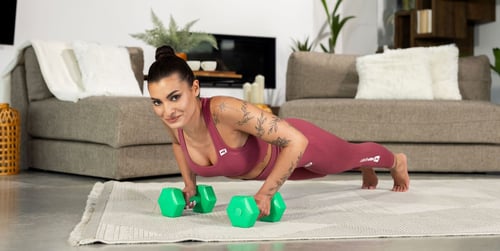
A spare corner, a set of dumbbells, and thirty minutes - that is all it takes to start training at home. No commute, no queuing, no monthly fee draining your account. The trick is picking pieces that earn their spot instead of gathering dust. This guide walks you through must-have kit, layout, and budget - here is how to do it right.
What this guide covers:
- Must-have items - strength and cardio essentials that deserve your budget
- Budget breakdown - a starter setup for under £200
- Boxing corner - setting up a home boxing area
- Layout and space - how much room you need, flooring, and mistakes to avoid
What Are the Must-Have Items for a Home Gym?
Three items cover more ground than most people expect: adjustable dumbbells, a sturdy bench, and a pull-up bar. Between them, pressing, rowing, curling, squatting, and dozens of body weight movements are all on the table. Everything else builds on that foundation.
Strength Training Essentials
Pound for pound, dumbbells are the most versatile piece of kit in any home gym. A composite set with swappable plates lets you go light for raises and heavy for rows without buying separate pairs. Add a weight set with a barbell once squats and deadlifts enter the mix, plus a pull-up bar for back work.
Strength staples worth prioritising:
- Adjustable dumbbells - one pair replaces an entire rack
- Barbells and plates - squats, deadlifts, overhead presses
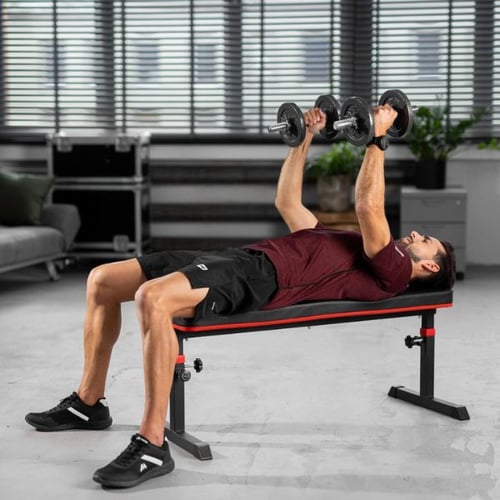
- Weight bench - incline presses, curls, supported rows
- Doorway pull-up bar - back and grip training on the cheap
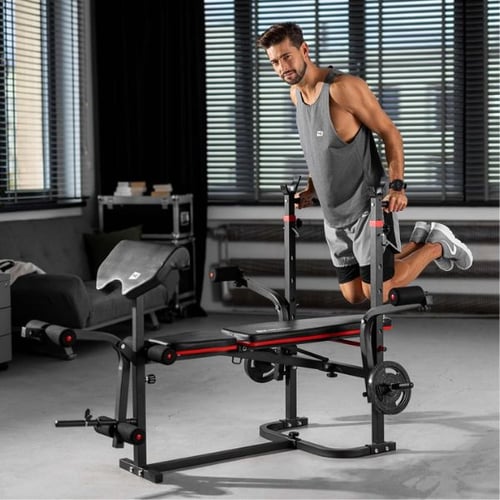
Those four categories cover every major muscle group. Add plates gradually as you get stronger, rather than buying everything at once.
Cardio Equipment Worth the Investment
A folding exercise bike or walking pad gives you solid cardio without eating floor space. If running is more appealing, a folding treadmill handles walks through to sprints and folds upright afterwards. The best home gym equipment for cardio is the machine that actually gets used - a bike ridden weekly beats a treadmill that collects laundry.
What's a Good Budget Home Gym Set-Up?
A solid home gym set up on a tight budget is absolutely doable. Our starter weight set is great value - a barbell with matched plates straight out of the box, with no guesswork about compatibility. Add a doorway pull-up bar and composite dumbbells, and pushing, pulling, and legs are sorted without touching the ceiling.
Sample budget setup:
- Starter weight set - barbell plus plates for squats, presses, deadlifts
- Composite dumbbell pair - adjustable weight for isolation work
- Doorway pull-up bar - pulling without drilling holes
- Exercise mat - floor work and stretching
That covers the major movement patterns. Train for a couple of months, then decide what is actually missing - a bench and kettlebell are the usual next steps.
How to Set Up a Home Boxing Gym
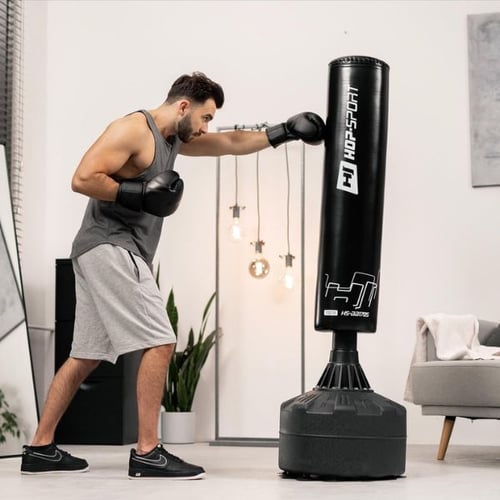
A freestanding punching bag skips ceiling brackets and wall mounts - fill the base with water or sand, leave a metre of clear space, and start throwing combinations. Pair it with a skipping rope and hand wraps. As home workout equipment goes, a bag and rope burn calories fast and build coordination that steady-state cardio cannot match.
Quick tip: train in three-minute rounds with one-minute rests. Keep a timer visible - structured rounds stop sessions from turning into aimless tapping and push you to work at real intensity.
How Much Does It Cost to Build a Home Gym?
Your total home gym cost depends on goals and pace, but even a basic setup - dumbbells, pull-up bar, mat - costs less than a few months of gym membership. Add a barbell set, bench, and folding bike over time, and you have a proper training space that pays for itself quickly. Start small and add pieces as your training evolves.
How to Plan Your Home Gym Layout
A functional training area fits into roughly 2 by 2 metres - enough for a bench, dumbbells, and room to press overhead. Gym equipment for home use works in garages, spare bedrooms, and even living rooms. Check ceiling height before anything else - at least 2.3 metres clears overhead presses and pull-up bars. Cardio machines need a bit more length, but if space is tight, folding equipment solves the problem.
Sketch a floor plan before buying anything. Mark obstacles - doors, windows, radiators - and work out where each piece fits without blocking access. Most affordable home gym equipment on the market is compact, but measurements still matter. Place heavy items against walls and leave the centre open for lunges, swings, and mat work.
Flooring and Safety
Interlocking rubber tiles absorb impact, cut noise, and protect the floor. Lay them across the full training area, not just under the bench. If you train with a barbell and weight benches, thicker tiles under the lifting zone cushion heavier drops.
Safety basics to sort out early:
- Rubber flooring - protects surfaces and joints, reduces noise for neighbours
- Ceiling clearance - check overhead press height before installing anything permanent
- Ventilation - open a window or add a fan to stop the space from overheating
Getting flooring right from the start saves money later - and a well-organised space makes consistent training far more likely.
Home Gym Mistakes to Avoid
Buying too much too soon tops the list by a wide margin. Start with three or four pieces, train for a couple of months, then decide what is missing. Hop-Sport has been helping people build home gyms since 2003, and we see the same pattern every time - the setups that last always start simple.
Mistakes that cost time and money:
- Ignoring measurements - a treadmill blocking the doorway makes everything awkward
- Skipping flooring - bare concrete amplifies noise and wears down fast
- Cheap over functional - the cheapest option often wobbles or breaks in months
- No routine - random workouts lead to random results
Plan the training first, then match equipment to it.
Your Home Gym Is an Investment That Pays Off
A home gym removes the two biggest barriers to consistent training - the commute and the opening hours. Start with the basics, train for a month, and let your routine tell you what to add next. Our equipment range covers everything from starter sets to full rack setups - take a look and start where it makes sense for you!
FAQ: Most Common Questions About Home Gyms
Is it worth building a home gym?
A home gym typically pays for itself within six to twelve months once you factor in saved memberships and travel. The bigger win is consistency - removing the commute and opening-hours barrier makes sticking to a routine far easier.
What gym equipment should I buy first?
Adjustable dumbbells and a doorway pull-up bar cover the widest range of exercises for the lowest cost. Add a bench next, and dozens of pressing and rowing variations open up.
Can you get fit with just dumbbells and bodyweight exercises?
Dumbbells combined with push-ups, squats, and pull-ups build real strength and improve cardiovascular fitness. Increase reps, slow the tempo, or add pauses to keep progressing without needing heavier weights.
How do I keep myself motivated to use a home gym?
Set a fixed training schedule and treat it like an appointment you cannot skip. Keeping the space clean and ready to go removes the friction that makes missing a session feel easier than starting one.
Explore more topics:
Author: Hop-Sport Team